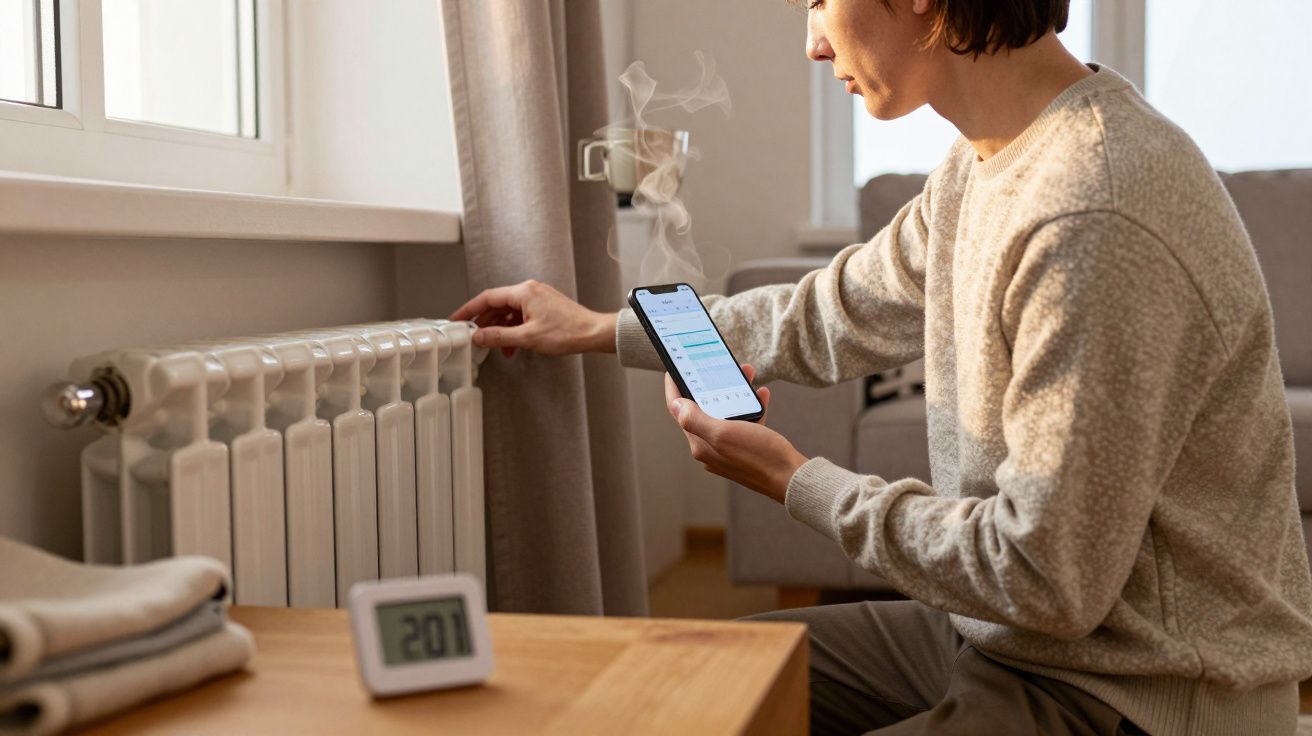
I used to say, with a straight face, that the heating was “working” because the boiler fired and the radiators got hot. Then I’d spend the evening perched on the sofa in a jumper, feeling oddly brittle, like the warmth had missed the parts of me that needed it. It was only when I started paying attention to heating controls and the idea of zoned comfort that I realised the problem wasn’t heat - it was how the house was being told to use it.
Most of us live with a single blunt instruction: make the whole place warmer. The house obeys, technically. Your body, your routines, and your rooms do not.
The lie in “working”: heat is on, comfort is not
“Working heating” often means one thing: the system responds when asked. But comfort is fussier than that. It’s a mix of air temperature, surface temperature, drafts, humidity, and timing - and your home can get one of those wrong while still producing plenty of heat.
Think about the familiar scene. The hallway is freezing, the living room is stifling, and the bedroom feels like a damp cave. You’re not imagining it; you’re experiencing different microclimates created by layout, insulation, and how warm air actually moves (or doesn’t).
A radiator can be hot enough to burn your knuckles while the room still feels chilly, because the walls and windows are quietly pulling heat out of you like a tax.
The “radiator is hot” trap: air vs surfaces
This is the part people don’t tell you when they say, “Just turn it up a bit.”
Your body reads comfort from the surfaces around you. Cold window glass, cold external walls, tiled floors - they make you feel colder even if the air is technically at 20°C. That’s why you can walk into a room, see the thermostat number, and still want to swear at it.
Common culprits:
- Big temperature swings (off all day, blasted for two hours) that leave walls cold.
- Single-room overheating because the thermostat is in a warm spot.
- Radiators hidden by sofas/curtains, heating fabric instead of air.
- Drafts that cut across ankles and make “warm air” feel irrelevant.
Working heating can be loud and busy, yet still fail at the quieter job: warming the space you’re actually living in.
Why one thermostat makes everyone miserable
A single thermostat is like running a whole household from one person’s mood. If it’s in the hall, it panics the system into over-heating the rest of the house just to fix the coldest patch. If it’s in the living room, the system shuts off as soon as that space is cosy - while the bedrooms and office stay sulky.
This is where heating controls stop being a gadget and start being a peace treaty. You’re not “being fancy”. You’re acknowledging that rooms do different work.
Kitchens make heat. Bathrooms need bursts. Bedrooms want steady, lower warmth. Home offices are occupied for hours but only by one person and a laptop that’s already running hot.
Zoned comfort: the difference between heat and hospitality
Zoned comfort sounds like a brochure phrase until you live it. It simply means you heat the rooms you use, when you use them, to the level they need - instead of asking the whole building to do the same thing all the time.
That shift does two surprising things:
- It reduces the feeling of unfairness. Nobody wants to sweat in the lounge to make the spare room “not cold”.
- It smooths out the spikes. Comfort hates drama. A steadier baseline often feels warmer than short, intense blasts.
A zone can be as simple as “upstairs vs downstairs”, or as granular as “each room has its own schedule”. The point isn’t perfection. It’s matching heat to life.
The timing problem: heat that arrives late feels like it never arrived
A lot of discomfort is just lag.
If you only turn the heating on when you feel cold, you’ve already lost: the fabric of the home is cold, and it takes time to warm. During that gap, you do the sad British dance of cardigan-on-cardigan, then five minutes later you’re too hot, cracking a window like a villain.
Better heating controls make timing less emotional. They let you pre-warm the room you’re going to use next, not punish the room you’ve just entered.
A simple rhythm that often works:
- Short pre-heat for morning bathroom/kitchen.
- Lower background through the day (or off, if your home holds heat well).
- Targeted evening warmth where you actually sit.
- Bedroom dialled back earlier than you think.
You can do that manually, but you’ll resent it. Automation is not laziness; it’s consistency.
When “smart” heating feels worse: the overcorrection spiral
Smart thermostats and TRVs can make things better, but they can also create a new discomfort: constant micro-adjustments that feel like the house is arguing with you.
You set 20°C. A sensor near a radiator reads 20°C and shuts a valve. The corner of the room stays cold. You nudge it up. The radiator blasts. The air warms fast, surfaces stay cold, and you feel that dry, baked sensation without the cosy. Now you’re too hot and still not comfortable - which is the most insulting outcome of all.
Three fixes that usually help before you buy anything else:
- Move sensors away from direct radiator influence (or use external sensors where possible).
- Reduce big setpoint jumps (go from 17°C to 19°C, not 15°C to 22°C).
- Stop fighting one cold room with whole-house heat and give that room its own plan.
Zoned comfort is as much about stopping the system from doing the wrong thing as it is about making it do the right thing.
A quick home audit: where discomfort is actually coming from
If your heating is “working” but you’re not, do this one evening when you’re slightly annoyed - it’s the perfect energy for noticing.
- Stand by the window. Do you feel cold radiating from it? That’s surfaces, not air.
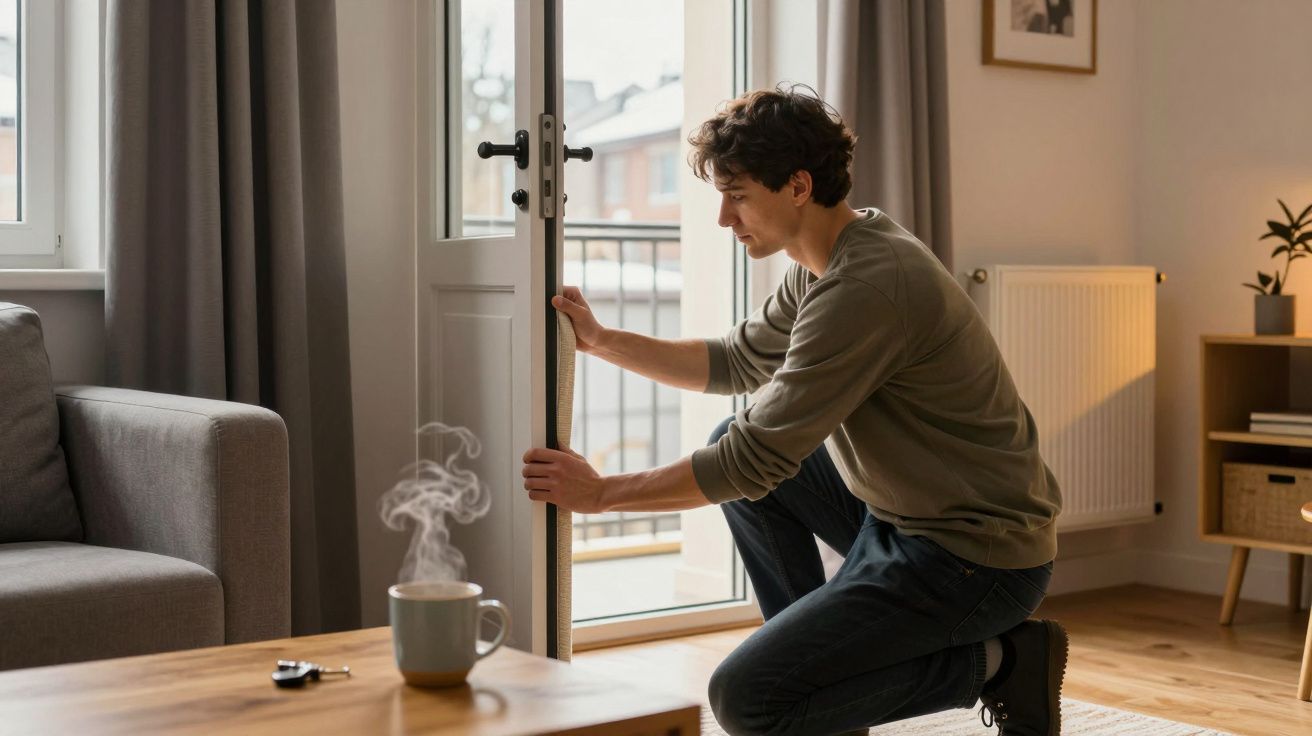
- Check drafts at ankle level. Curtains moving? Letterbox? Loft hatch? Tiny gaps create big discomfort.
- Look at radiator placement. Is it blocked, covered, or trapped in a niche?
- Notice which rooms you truly occupy. Heat those first; everything else is secondary.
- Compare upstairs and downstairs temperatures. Heat rises; your house may be stratifying.
If you only change one thing, change where and when you’re heating - not just how much.
The boring settings that make a home feel kind
There’s a particular comfort to walking into a room that feels as if it expected you. Not overheated. Not chilly. Just… ready.
That feeling usually comes from unglamorous choices:
- A modest baseline temperature rather than on/off extremes.
- Room-by-room schedules that reflect real use.
- Slightly cooler bedrooms, slightly warmer bathrooms.
- A thermostat strategy that isn’t dictated by the coldest hallway.
This is why people with the same boiler can have wildly different experiences. The hardware is the same. The instructions are different.
FAQ:
- Isn’t zoned comfort just a way to spend more on gadgets? Not necessarily. You can create simple zones with existing radiator valves and a better schedule. Smart controls help, but the biggest gains often come from changing timing and reducing whole-house overheating.
- Why do I feel cold when the thermostat says 20°C? Because comfort depends on more than air temperature. Cold walls/windows and drafts can make your body lose heat faster, so you feel chilly even with “correct” numbers.
- Will zoning always save money? Often, but not as a guarantee. It depends on insulation, habits, and how extreme your current heating pattern is. The consistent win is usually comfort: heating the right rooms at the right times.
- Do I need to heat unused rooms to avoid damp? You need ventilation and a sensible baseline, not sauna-level heat. Many homes do fine with lower temperatures in unused rooms, as long as moisture is managed and cold spots aren’t left to drop too far for too long.
- What’s the quickest change that improves comfort? Stop doing big temperature swings. Aim for smaller, earlier adjustments in the rooms you use most, and avoid trying to fix one cold area by overheating the entire house.




Comments (0)
No comments yet. Be the first to comment!
Leave a Comment