
Home maintenance is the quiet system that keeps a property safe, efficient and insurable, from the boiler service to the roof check that stops a slow leak becoming a rebuild. The twist is that 2026 trends are pushing homeowners to prioritise different jobs first, not because people suddenly care more, but because weather, energy costs and digital risk are changing what “urgent” looks like. If you keep treating upkeep as a once-a-year spring clean, the next few years will feel more expensive than they need to.
The shift is not about buying luxury gadgets. It is about protecting the basics-heat, water, power and structure-in a world where disruptions are more frequent and fixes are pricier.
The big change: maintenance becomes risk management
For years, many households ran on a familiar rhythm: redecorate when it looks tired, service the boiler when the reminder letter arrives, fix things when they break. That still works in a stable environment. It works less well when storms arrive out of season, materials cost more, and trades are booked weeks ahead.
In practical terms, “priority” is moving away from cosmetics and towards failure points: damp, ventilation, electrics, drainage and roof integrity. Those are the areas where small neglect can trigger structural damage, mould, insurance disputes, or long outages.
A crack in paint is usually aesthetic. A crack in pointing, flashing, or silicone is often the start of water ingress.
Why the coming years will reorder the to-do list
Three pressures keep showing up in property reports, insurer guidance and day-to-day homeowner experience. They are separate problems, but they stack.
1) More extreme weather, more water-related damage
UK homes are increasingly tested by heavy rainfall, wind events and temperature swings. Water finds weaknesses fast, and modern living (more showers, more laundry, more time indoors) increases internal moisture too.
The “new basics” look boring, but they are the jobs that stop repeated call-outs:
- Clear gutters and check downpipes after major storms, not just in autumn.
- Inspect roof tiles, ridge lines and flashing; small slips matter.
- Keep external drains flowing and know where water is meant to go.
- Treat early damp and mould as a ventilation and moisture problem, not only a cleaning problem.
2) Energy costs make efficiency maintenance pay back faster
When energy prices are volatile, efficiency stops being a nice-to-have. Small losses-drafts, uninsulated pipework, a boiler running poorly-become visible on bills.
The priority shift is towards “keep what you have working at peak” before replacing it:
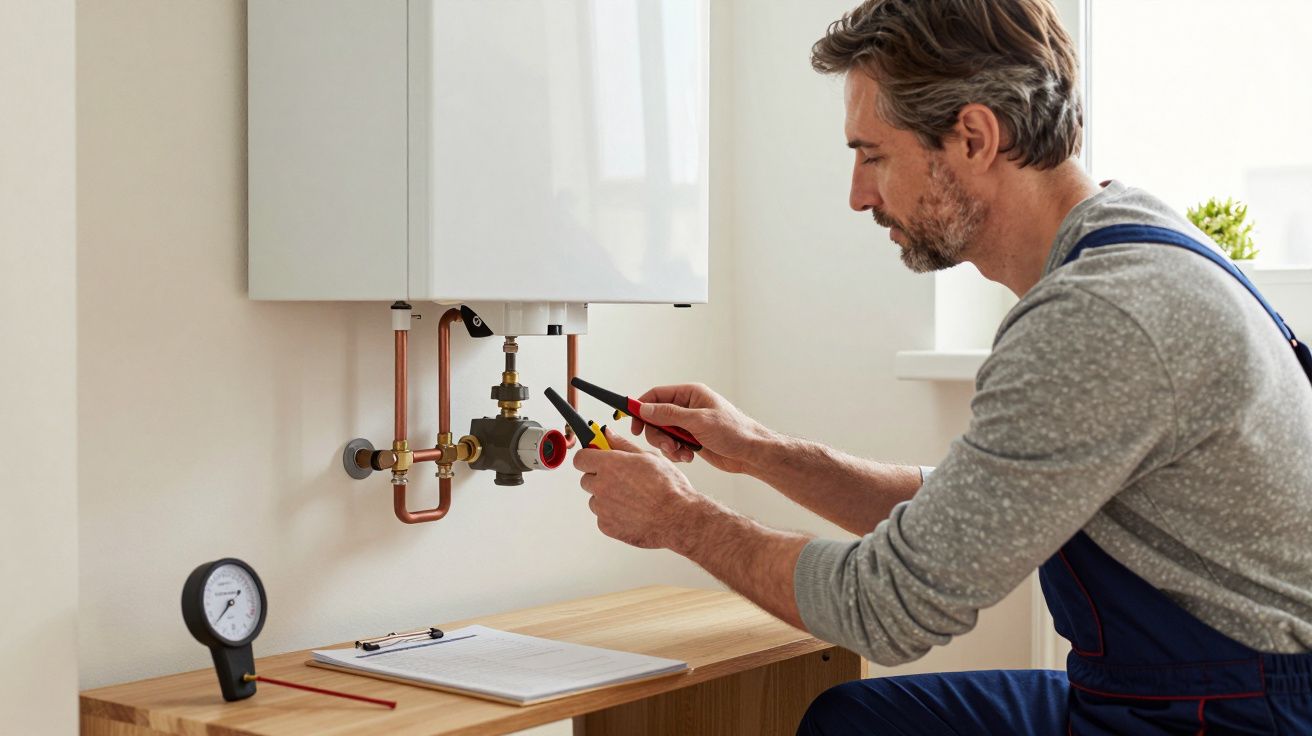
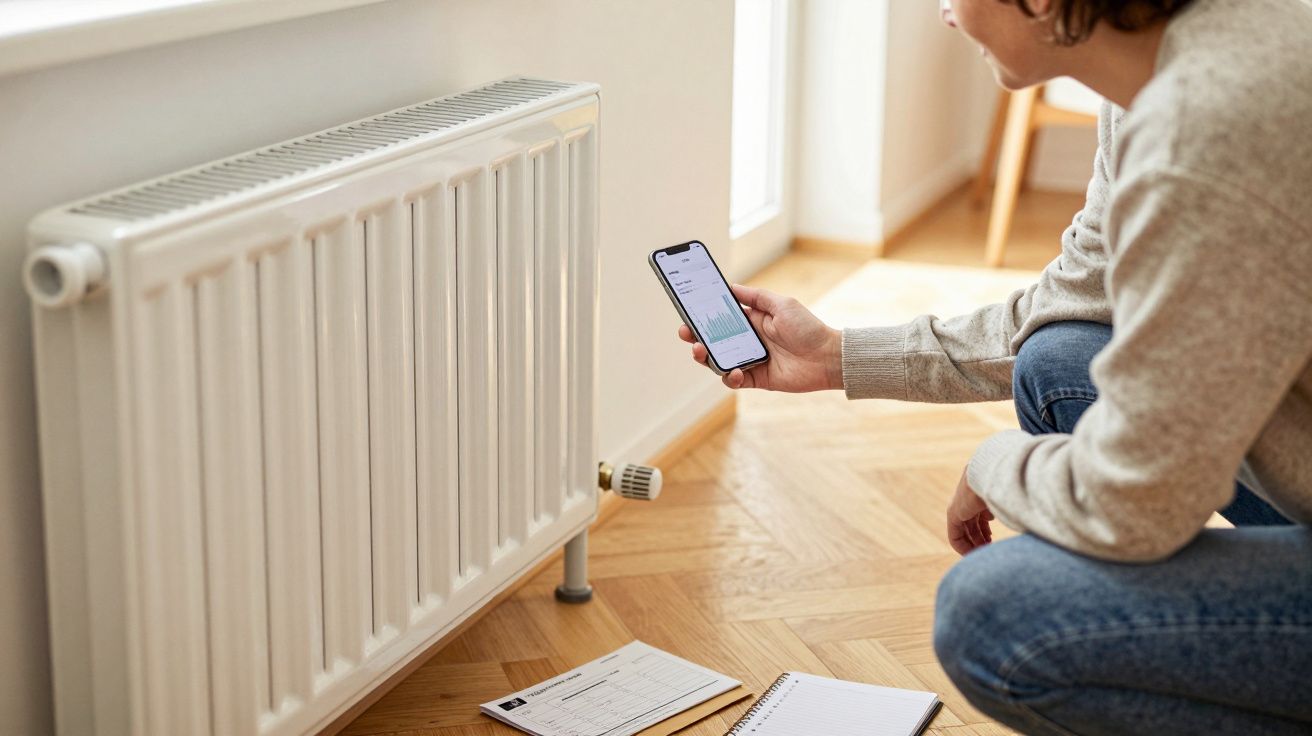
- Annual boiler service plus radiator balancing/bleeding (comfort and efficiency).
- Draughtproofing around doors, loft hatches and unused chimneys.
- Checking loft insulation depth and continuity (gaps are common).
- Fixing dripping taps and running WCs; hot water waste is still waste.
3) Homes are more digital, and that creates new failure points
Smart doorbells, thermostats, mesh Wi‑Fi, app-controlled alarms and EV chargers make homes more convenient. They also add maintenance that feels unfamiliar: firmware updates, battery health, secure settings, and basic network hygiene.
A house can be physically secure and digitally exposed at the same time. The priority becomes keeping systems reliable, not merely installed.
What “good maintenance” looks like in 2026 trends
You do not need a complicated schedule. You need a short list that protects the home’s most expensive parts, and a habit of checking small indicators before they become emergencies.
A simple hierarchy: what to protect first
- Water management: roof, gutters, seals, drains, damp pathways.
- Heat and air: boiler/heat pump health, ventilation, extractor fans, filters.
- Power safety: consumer unit condition, overloaded sockets, outdoor electrics, EV charging setup.
- Structure and envelope: pointing, window seals, timber condition, loft/underfloor issues.
- Cosmetics: paint, flooring scuffs, non-urgent upgrades.
That order is not moral; it is financial. Water and electrics create the fastest, most expensive cascades.
The maintenance hotspots most homeowners underestimate
A lot of money is lost in the “in-between” areas-jobs that are small, but sit between trades and therefore get delayed.
Ventilation: the mould problem that isn’t just mould
New windows, better draughtproofing and working-from-home lifestyles can reduce natural ventilation. If extraction is weak, moisture lingers and surfaces become the battleground.
Focus on causes, not just symptoms:
- Test extractor fans (they should actually pull moisture out, not just make noise).
- Keep trickle vents usable and unblocked.
- Use a humidity meter in problem rooms; it turns guesswork into a number.
- Address cold spots (behind wardrobes, in corners) where condensation forms first.
Seals and small gaps: where big leaks begin
Silicone around baths, showers and kitchen worktops fails quietly. So do window seals and flashing details on extensions.
A five-minute check can prevent months of drying time:
- Look for lifting, cracking or blackened sealant.
- Re-seal before water gets behind tiles or into chipboard.
- Check external mastic and pointing on the weather-facing side of the home.
A quick “what to do when” plan that stays realistic
You do not need to become your own facilities manager. The aim is to spread checks across the year so nothing builds up into one costly, stressful month.
| Timing | Focus | Example jobs |
|---|---|---|
| Monthly-ish | Small indicators | Check for slow leaks, extractor performance, unusual boiler noises |
| Season change | Water and envelope | Gutters, roof glance, window seals, outside taps and pipework |
| Yearly | Safety and efficiency | Boiler service, smoke/CO alarms, electrical check if issues appear |
If you live in a flat, the same logic applies-just translate “roof and gutters” into what your building management covers and what your own demise/fixtures still rely on.
Spending smarter: prevent the “expensive surprise” pattern
The real cost of poor maintenance is rarely the first repair. It is the secondary damage: plaster ruined by a leak, mould spreading behind furniture, floors lifting after a slow drip, or a boiler running inefficiently for two winters.
A practical rule is to keep a small home reserve and spend it early, not late:
- Budget for inspections and minor fixes as a default line item.
- Keep basic records (photos and dates) of roof repairs, servicing and damp work.
- If a job involves water, treat “good enough” as a warning sign.
What to watch next
As 2026 trends play out, homeowners who do best will not be the ones who chase every new product. They will be the ones who treat home maintenance as a protection plan for the structure, the air, and the services that keep daily life running.
The coming years will reward boring consistency: fewer emergencies, fewer major refurbishments forced by preventable damage, and a home that stays comfortable even when conditions outside are less predictable.




Comments (0)
No comments yet. Be the first to comment!
Leave a Comment