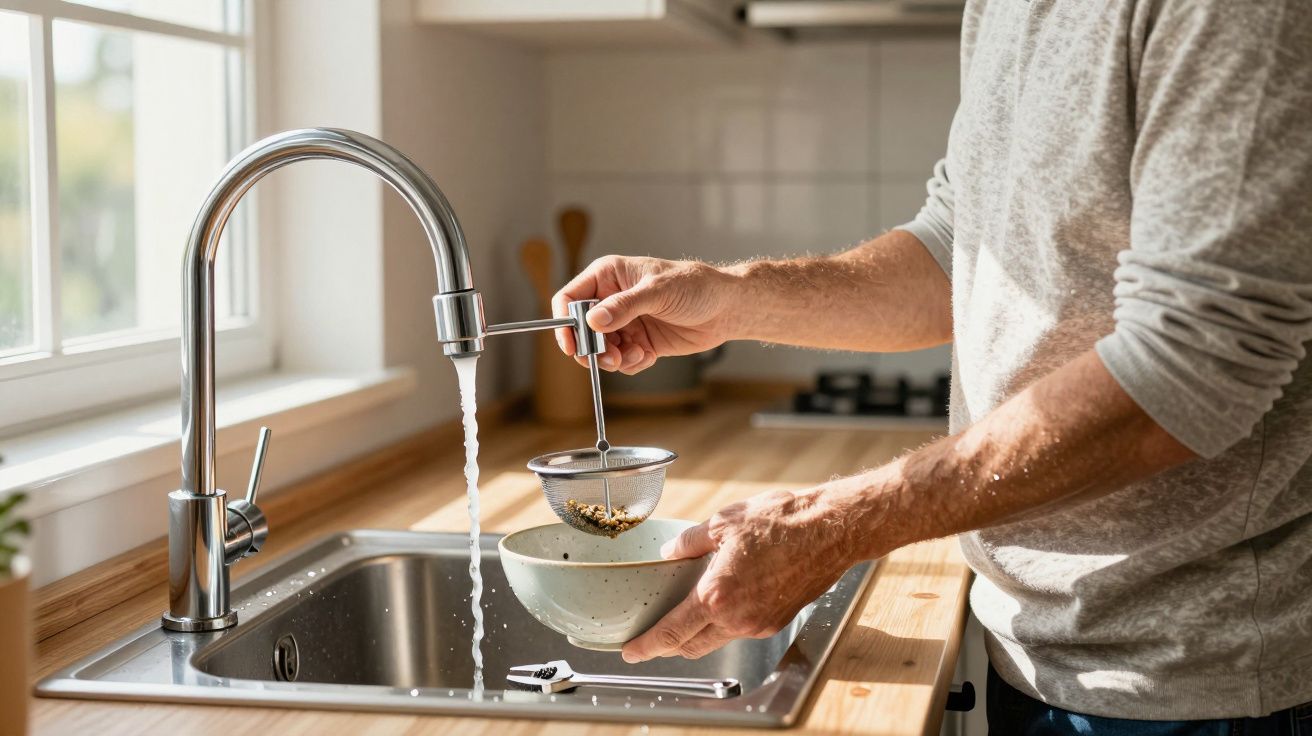
Modern homes are full of modern taps and mixers, and when they go wrong it often looks like the same small problem: cartridge failure. It matters because a “small” internal fault can turn into drips, stiff handles, temperature swings, and a call-out you didn’t budget for. People notice it most when they swap an old, heavy tap for a sleek new one and realise the new kit feels… fussier.
You’ll hear the line at the merchant’s counter: “They don’t make them like they used to.” That’s not just nostalgia. It’s a mix of design choices, water chemistry, and how today’s fixtures are built to meet modern expectations-smooth action, water saving, quick installation-often at the cost of tolerance for real-world conditions.
The quiet trade-off: comfort and efficiency versus forgiveness
Older fixtures were rarely delicate. Many used chunky rubber washers, simple screw-down valves, and large internal clearances that could tolerate grit, limescale, and the occasional heavy-handed twist. They didn’t always feel elegant, but they were mechanically forgiving.
Modern taps and mixers usually aim for a different promise: fingertip control, consistent temperature, and a compact body that looks good on a worktop. That promise is often delivered by a cartridge-clever, sealed, precise, and less tolerant of debris than the old-school parts it replaced.
Think about what we ask a new kitchen or bathroom tap to do: start smoothly, stop cleanly, blend hot and cold without a shudder, and do it all while using less water. That’s a lot of performance from a small component, and small components don’t like abuse.
Why the cartridge becomes the weak link
A cartridge is not “just a spare part”. It’s the heart of the mechanism, and it works by tight mating surfaces and controlled pathways. The tighter the tolerances, the better it feels-until your water supply brings a little sand, scale, or corrosion to the party.
Common routes into cartridge failure look boring on paper and infuriating in real life:
- fine grit from old pipework after plumbing work
- limescale shedding from a cylinder, combi, or heat exchanger
- pressure spikes when valves snap shut elsewhere in the house
- hot-side heat cycling that hardens seals over time
A quarter-turn ceramic cartridge can feel silky for months, then suddenly turn stiff as a new deposit forms right where it shouldn’t. A thermostatic cartridge can hunt and surge when a tiny filter screen is partly blocked, like trying to sip a drink through a kinked straw.
“But the old one lasted 20 years”: what actually changed
Part of the story is materials and manufacturing, but a bigger part is context. Old fixtures often ran with lower expectations: nobody demanded a perfectly consistent 38°C shower with a one-finger lever and a water-saving flow rate.
Now layer on modern realities. Many homes mix old and new plumbing, and the first weeks after a refit can be a dirty period-flux residue, disturbed scale, bits of PTFE tape-all of it looking for somewhere to lodge. The cartridge is a natural collection point.
There’s also the market reality: more product tiers. A well-made modern mixer can last, but entry-level fixtures sometimes use softer plastics, thinner plating, and seals that age faster under heat and chemicals. Two taps can look identical on the outside and behave very differently inside.
The water is the third character in the room
Hard water doesn’t announce itself. It just turns up slowly, leaves chalky rings, and builds tiny restrictions inside the places you can’t see. New fixtures can feel like they fail “faster” simply because they’re designed with narrower waterways and finer control surfaces.
Softened water can create its own quirks too. It may reduce scale, but it can be more aggressive to certain components if the system is poorly set up, and some manufacturers specify limits on water conditions for a reason. Add cleaning habits-acidic descalers left too long, aggressive sprays aimed at the handle base-and seals can swell or crack before their time.
A useful way to think about it: older designs coped by brute simplicity; newer designs cope by precision. Precision needs clean, stable inputs.
The small habits that shorten a new tap’s life
A modern mixer isn’t fragile, but it’s less forgiving of “normal” treatment. The most common life-shortening patterns tend to be accidental:
- installing without flushing pipework, then opening full bore on day one
- skipping or removing the little inlet filters because they reduce flow
- overtightening flexi tails, stressing the body and internal alignment
- using the lever as a handle to pull yourself up (it happens)
- leaving a dripping tap “for later”, letting scale build exactly where it seals
When the cartridge starts to struggle, people often compensate with extra force. That’s when a stiff action becomes a damaged spindle, a torn seal, or a cracked retaining nut-minor resistance turning into a proper failure.
What to do if you want new fixtures that don’t behave like disposable ones
You don’t need to treat a tap like a museum piece. You just need to set it up for the kind of water and use it will actually get.
A practical checklist that prevents a lot of early cartridge failure:
- Flush the lines before fitting, especially after any soldering or pipe cutting.
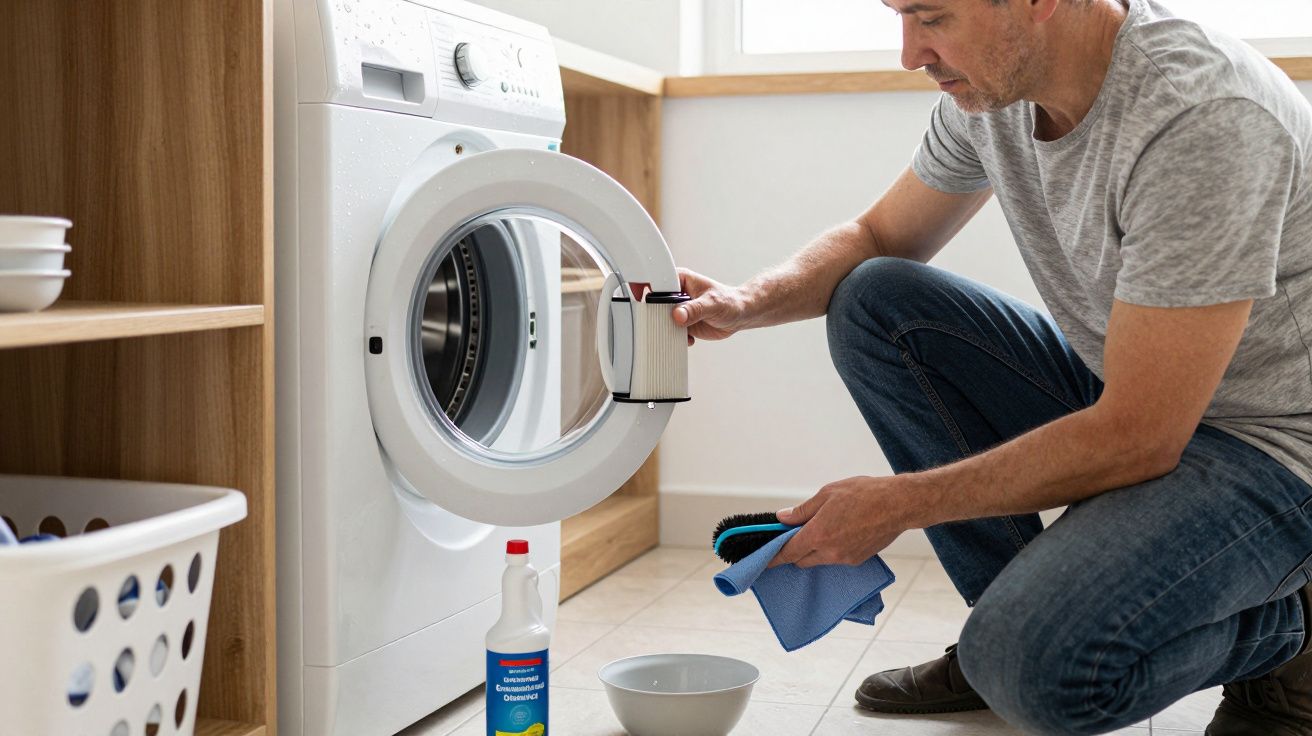
- Keep the filters in place on thermostatic and many mixer designs; clean them rather than binning them.
- Fit isolation valves (and use them) so servicing isn’t a crisis.
- Consider pressure control if your mains pressure is high or you get banging/shock.
- Buy for spares: choose brands that sell cartridges and seals reliably, not just “a similar-looking tap”.
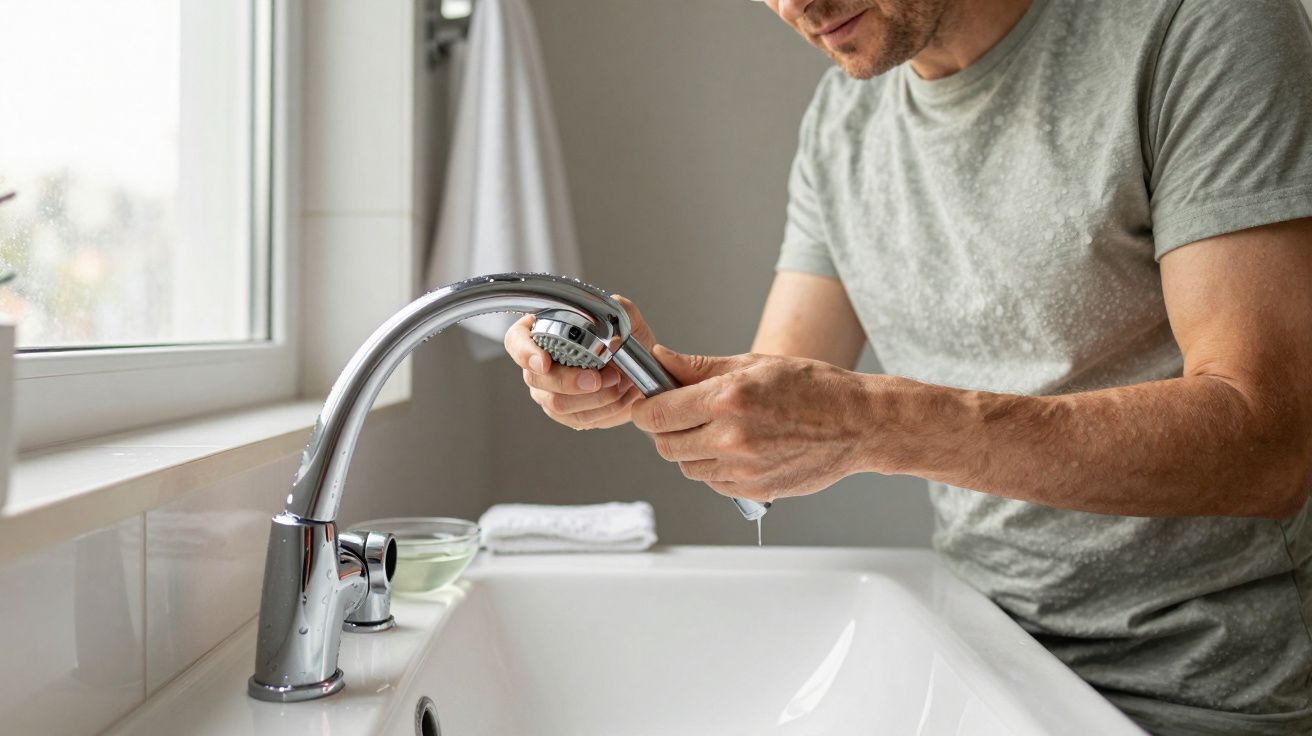
If you’re in a hard-water area, it’s worth treating maintenance as routine rather than rescue. A quick aerator clean and a gentle descale schedule can protect the cartridge indirectly, because restrictions at the outlet encourage turbulent flow and pressure oddities upstream.
The “old is better” myth-and the part that’s true
Some older fixtures really did last longer because they were built like farm gates. But many survived because they were simple to revive: replace a washer, nip up a gland, carry on. When a modern cartridge wears or gets damaged, it often feels like the whole tap has failed, because the cartridge is the system.
The upside is that a good cartridge-based tap can be excellent for years, and when it’s supported with spares, the repair can still be straightforward. The trick is choosing precision and planning for the real world: your water, your plumbing, your habits.
| What’s different | Older fixtures | Modern taps and mixers |
|---|---|---|
| Main wear point | Washers, seats, glands | Cartridges, seals, fine filters |
| Tolerance for debris/scale | High | Lower (needs cleaner water) |
| Typical fix | Small parts, easy to improvise | Replace/clean cartridge, brand-specific |
FAQ:
- Why do I get a drip on a nearly new mixer? A small piece of grit or early limescale can stop a cartridge sealing fully. Cleaning the aerator and inlet filters, or flushing and replacing the cartridge, is often the fix.
- Is cartridge failure always a manufacturing defect? No. It’s commonly caused by debris, hard water deposits, pressure spikes, or harsh cleaning products-especially in the first months after installation.
- Can I prevent this without a water softener? Often, yes. Flushing pipework, keeping filters, fitting isolation valves, and cleaning aerators regularly will reduce the conditions that damage cartridges.
- Should I buy a cheaper tap and just replace it later? It can cost more long-term if cartridges aren’t available or the finish degrades quickly. A mid-range tap with reliable spares usually wins on total cost and hassle.
- When should I call a plumber rather than swapping a cartridge myself? If you can’t isolate the tap, if the body is leaking, or if pressure/temperature issues suggest a system problem beyond the tap itself.




Comments (0)
No comments yet. Be the first to comment!
Leave a Comment