
The message from the tenant lands at 07:42: “Boiler’s making a banging noise again.” You own rental properties, you’ve seen this film before, and you still feel mildly surprised by it. The real sting is that deferred maintenance rarely announces itself as a line item; it arrives as disruption, void periods, and “urgent” call‑outs at the worst time.
Most landlords don’t underestimate maintenance because they don’t care. They underestimate it because property feels solid, predictable, and slow-moving-right up until it isn’t.
The quiet belief: “It’s basically fine”
A lot of maintenance risk sits inside a simple story: the place looked decent at purchase, the survey wasn’t alarming, and tenants haven’t complained much. So the default assumption becomes “it’ll hold”.
That’s not foolish. It’s human. Buildings are good at hiding how close they are to the edge, especially when the failures are behind plaster, under floors, or inside a combi boiler that still technically turns on.
Then something small shifts: a slow leak becomes rot, a minor crack becomes water ingress, a sticky window becomes a security issue. The property didn’t suddenly get “older” overnight; you just hit the point where the damage is no longer optional.
Why maintenance risk feels smaller than it is
Landlords often budget for events, not systems. A new washing machine. A repaint between tenancies. A one-off roof repair.
But maintenance risk behaves more like compound interest in reverse. Small delays stack, and once you’re behind, every job gets harder because access is harder, parts are dearer, and the tenant still needs to live there while you fix it.
A few common mental traps do the heavy lifting here:
- The “it worked yesterday” trap. If the heating ran last winter, you assume it will run this winter.
- The “one quote is the truth” trap. The first call-out price becomes your expectation, even as materials and labour shift.
- The “tenants will tell me early” trap. Many tenants report late because they don’t want hassle, or they assume it’s “normal”.
- The “cosmetic = maintenance” trap. Fresh paint can hide damp patterns long enough to make you think the issue is solved.
None of this is malicious. It’s just how risk looks when you don’t see it every day.
Deferred maintenance doesn’t stay deferred-only the cost does
There’s a moment when landlords realise the thing they postponed wasn’t the job. It was the bill, the inconvenience, and the decision.
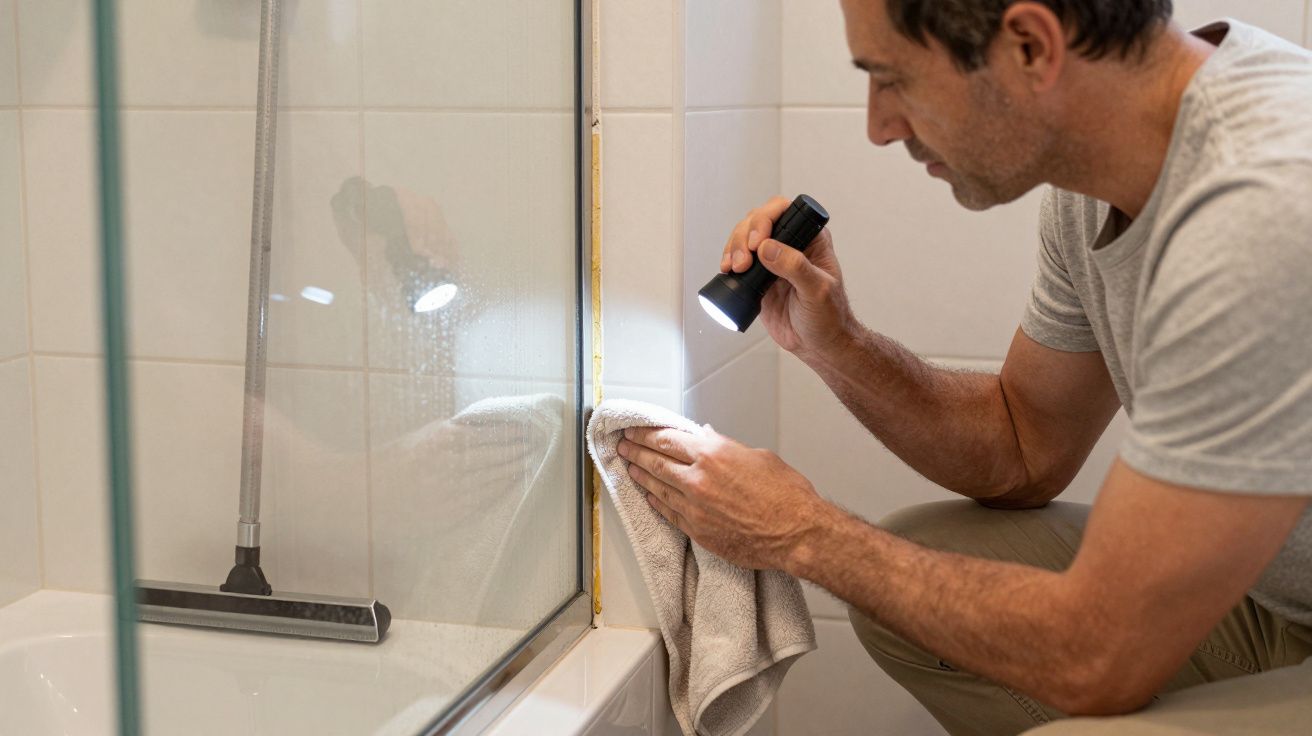
A £180 gutter fix turns into a £1,800 damp investigation because water’s been running down a wall for a year. A £90 seal around a bath becomes a ceiling repair in the flat below. A “bit noisy” fan becomes mould because extraction was never really working.
And the tenant experience matters more than many landlords expect. When a home feels unreliable-cold mornings, recurring leaks, “we’ll look at it next month”-tenants don’t just get annoyed. They start planning their exit, and your risk shifts from maintenance to vacancy.
Deferred maintenance is often treated as a savings plan. In practice, it’s a loan with a brutal interest rate.
The hidden multiplier: access, timing, and tenant logistics
Owner-occupiers can tolerate disruption in a way rental homes can’t. You can book a plumber for “whenever” if it’s your own kitchen. In a let, access needs notice, tenants work shifts, keys need managing, and jobs must be safe and compliant.
That friction turns minor work into major work. It also pushes landlords into the most expensive version of the job: urgent, out-of-hours, or done under pressure because you’ve reached a legal or liveability limit.
Three costs creep in quietly:
- Access costs: multiple visits because the first appointment couldn’t happen, or the issue needed diagnosing before quoting.
- Timing costs: you pay more when you need it done this week rather than when it suits the trade.
- Coordination costs: your time, letting agent fees, and the admin of keeping everyone informed.
The repair is only one part of the invoice. The rest is what it takes to make the repair possible.
The numbers that ambush: “It’s only a few jobs a year”
Landlords often estimate maintenance using memory: what did I spend last year? The problem is that maintenance isn’t smooth. It’s lumpy.
A low-spend year can be a warning sign, not a success, especially if it was achieved by putting off non-urgent items. You haven’t reduced risk; you’ve banked it.
A more useful way to think is to split spending into three buckets:
- Reactive: fixes when something breaks (leaks, boiler faults, electrics).
- Preventative: servicing, minor replacements, sealing, clearing, testing.
- Lifecycle: end-of-life replacements (boilers, roofs, windows, kitchens).
If your spend is mostly reactive, you’re not “lean”. You’re exposed.
How to make maintenance risk feel real (without becoming dramatic)
The goal isn’t to turn landlording into paranoia. It’s to replace surprise with routine, the same way you treat insurance or compliance checks.
A practical approach that tends to stick:
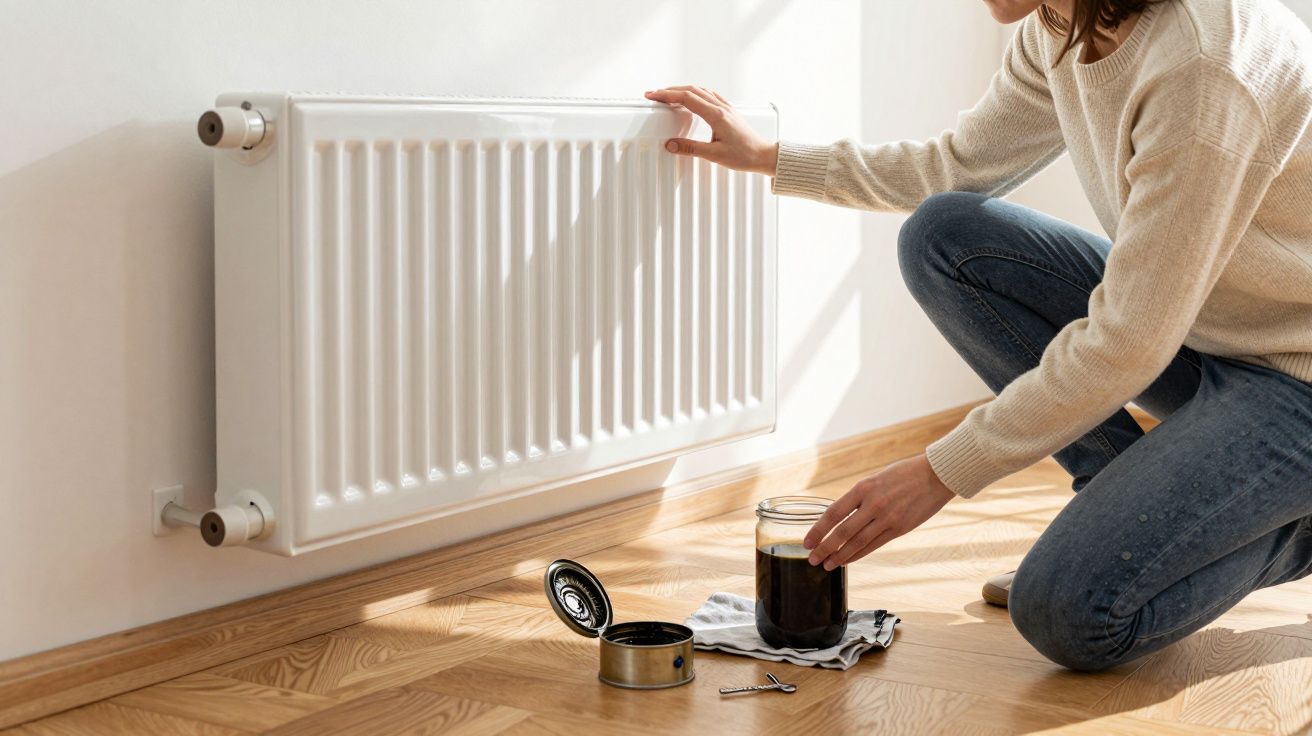
- Do a two-hour “systems walk” twice a year. Heating, hot water, gutters, seals, extraction, signs of damp, obvious cracks. Photograph everything.
- Keep a small list of “if this fails, it’s urgent”. Boiler, electrics, water ingress, security, drains. Pre-approve spend bands for each.
- Schedule servicing like rent collection. Boring, predictable, non-negotiable.
- Set a buffer that lives somewhere separate. Not “whatever’s left in the current account”, but a named pot you don’t raid.
Design it for real life. If you can’t fund a full lifecycle replacement plan yet, start with preventing the failures that create the biggest disruption: water and heat.
A quick “risk lens” for typical jobs
| Issue | Looks like | Often becomes |
|---|---|---|
| Small leak / seal failure | “A bit of staining” | Damp, rot, ceiling repairs |
| Poor extraction | “Condensation in winter” | Mould complaints, redecoration, ventilation upgrades |
| Ageing boiler | “Still working” | No-heat emergency, replacement at peak season |
The landlord who wins is the one who plans for boring
The most stable rental portfolios aren’t the ones with the newest kitchens. They’re the ones where maintenance is treated as a monthly operating cost, not an occasional punishment.
When you assume something will break-and you prepare calmly-you stop paying panic prices. Tenants stay longer. Trades take you seriously. And you make decisions earlier, when they’re cheaper and you have options.
Maintenance risk doesn’t go away. But it does become manageable the moment you stop expecting rental properties to behave like static assets, and start treating them like working systems that need attention on purpose.
FAQ:
- Why do landlords underestimate maintenance so often? Because failures are hidden until they’re disruptive, and a few quiet years can create a false sense of security.
- Is deferred maintenance ever a sensible strategy? Only for genuinely low-risk, cosmetic items. Anything involving water, heat, electrics, or ventilation tends to escalate in cost and tenant impact.
- How much should I budget for maintenance on rental properties? It varies by age and condition, but a dedicated buffer plus planned servicing is more reliable than relying on last year’s spend.
- What’s the quickest way to reduce maintenance emergencies? Prioritise preventative work around leaks, gutters, seals, boiler servicing, and extraction-these are common triggers for “urgent” call-outs.




Comments (0)
No comments yet. Be the first to comment!
Leave a Comment