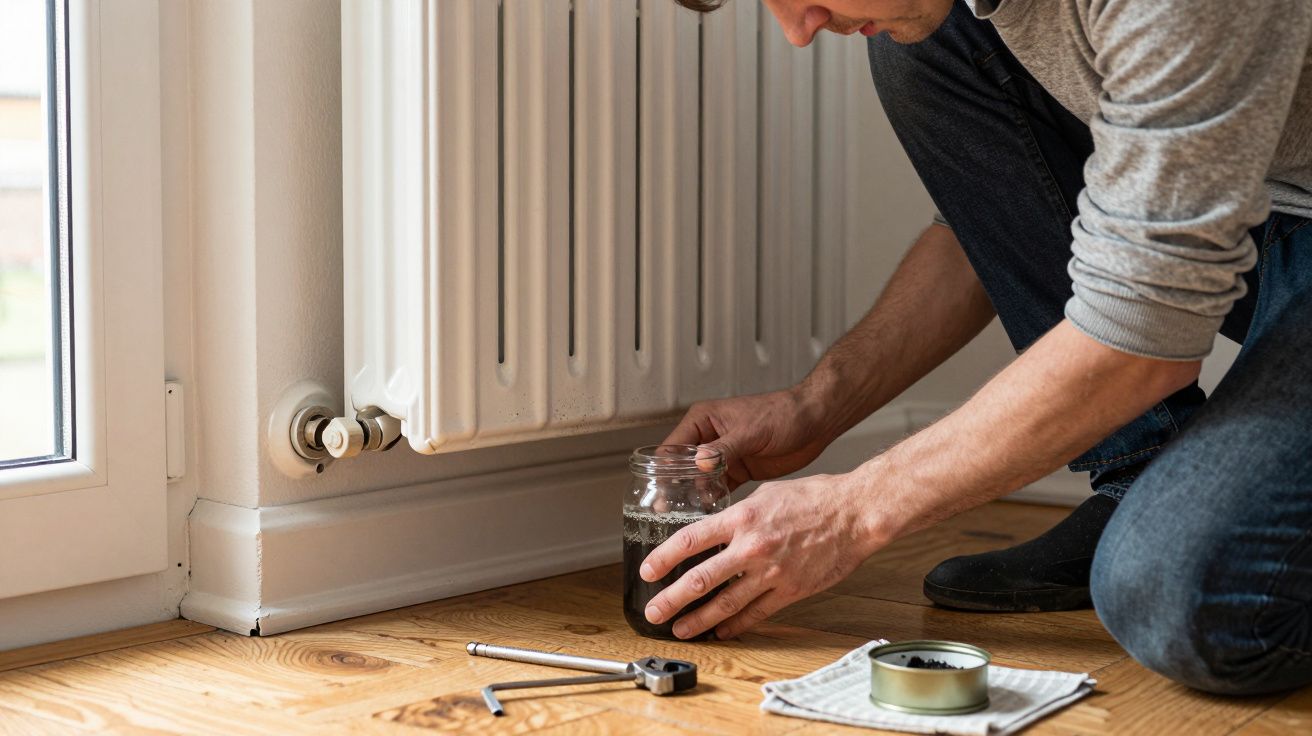
Power flushing is one of those jobs people only think about when the heating starts sulking: radiators cold at the bottom, a boiler that sounds like it’s boiling gravel, hot water that comes and goes. The problem is that leaving it too long can tip you from a straightforward clean into system damage, where parts have already worn down or blocked up beyond what a flush can politely fix. If you rely on a wet central heating system through a UK winter, timing matters because it’s the difference between prevention and repair.
It’s tempting to treat the warning signs as “old house things”. A little noise, a slow warm-up, one radiator that needs bleeding every other week. But sludge is patient, and by the time you’re annoyed enough to book someone, it may have been quietly doing the expensive sort of harm.
The slow build-up you don’t see (until you do)
Most heating problems that end in a late power flush start the same way: oxygen gets into the system, metal reacts, and you get corrosion by-products that turn the water dark. That magnetite sludge circulates, settles, and then gets pulled into the tightest spaces-pump bearings, heat exchangers, radiator panels, valves.
At first, it behaves like inconvenience. Radiators take longer, rooms heat unevenly, and you turn the thermostat up as if the dial can out-argue physics. Over time, it becomes restriction: less flow, higher strain, more heat trapped where it shouldn’t be.
Common “too late” clues people ignore
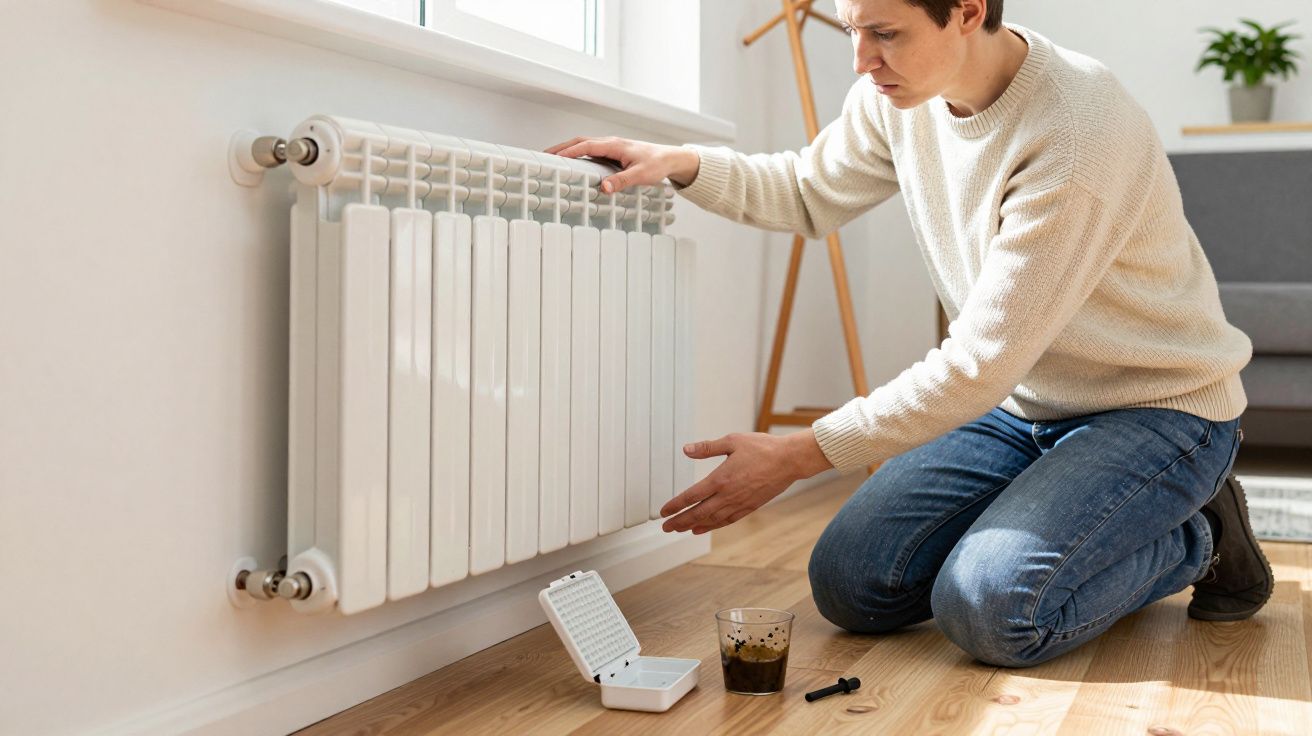
- Radiators hot at the top but cold at the bottom, even after balancing attempts
- Boiler kettling (rumbling/knocking) that returns soon after bleeding radiators
- A pump that’s noisy, seizing, or repeatedly needing a restart
- Dirty water when you drain a radiator, or frequent black grit in a filter
- Hot water fluctuating when heating is on (combi systems can be especially touchy)
None of these automatically means catastrophe. They do mean the system has moved past “a bit dirty” into “performance is compromised”.
What happens when you flush after the damage has started
A power flush is strong: high flow, agitation, and chemicals designed to lift deposits. Done at the right time, it restores circulation and improves heat transfer. Done too late, it can uncover problems that sludge was masking, or fail to undo the wear that’s already happened.
Here’s what “too late” often looks like in real homes.
1) The boiler’s heat exchanger is already restricted
Modern boilers are efficient partly because their waterways are narrow. That also means they’re unforgiving. If the primary heat exchanger is partially blocked, the boiler can overheat locally, leading to kettling and short cycling.
A flush may improve flow, but it can’t reverse warped metal, repeated overheating stress, or scaling that’s baked on. In some cases the boiler calms down after the flush, then symptoms creep back because the restriction was only part-sludge, part-damage.
2) The pump has been fighting a losing battle
When sludge reduces circulation, the pump works harder for less result. Bearings wear, seals fatigue, and the motor runs hotter. If you flush late, you might restore flow-only to discover the pump is now noisy, weak, or intermittently failing.
People often experience this as bad luck: “We fixed the system and then the pump went.” It’s not bad luck; it’s a component that spent months (or years) operating under strain.
3) Radiators are compromised internally
Sludge doesn’t just sit politely at the bottom; it can form dense mats inside radiator panels. Over time, corrosion can thin metal from within. A flush can clear channels, but it can’t un-rust steel that’s already pitted.
That’s why some late-flush jobs end with a radiator that:
- warms better but leaks at a seam afterwards, or
- stays stubbornly cold because internal pathways have collapsed with debris
If multiple radiators are affected, replacement becomes a practical decision, not a dramatic one.
4) Valves and TRVs get jammed or start weeping
Small components suffer quietly: thermostatic radiator valves, lockshields, diverter valves. Once grit and magnetite are circulating, they lodge where there’s movement and tight tolerance.
Power flushing can shift debris, and that debris has to go somewhere. A competent engineer uses filters and controls the process, but if the system is heavily contaminated, you can still end up with valves that don’t regulate properly afterwards-because they were already worn, and now they’re finally being asked to work.
5) You end up chasing the wrong “fix”
A late flush sometimes happens after a string of small interventions: bleeding, balancing, inhibitor top-ups, even swapping a thermostat. None of those are wrong, but they can become a loop if the underlying water quality is poor.
By the time you flush, you may discover the real issue isn’t one radiator. It’s the whole system’s condition-pipework, boiler internals, and the lack (or failure) of magnetic filtration.
Why it can feel worse before it feels better
There’s a slightly unnerving truth: sludge can act like a dodgy plaster. It blocks tiny leaks, cushions worn valve seats, and slows down circulation just enough to keep certain faults quiet. When you flush, you remove the gunk-and sometimes you remove the thing that was “holding it together”.
That doesn’t mean flushing caused the damage. It means the system damage was already there, and the flush stopped it being disguised.
The practical cost of leaving it late
It’s rarely one dramatic bill; it’s usually a cluster of medium ones that add up. You pay for the flush, then you pay for the parts that couldn’t survive the years of poor circulation.
A late power flush is most likely to trigger extra spend when any of these are true:
- the boiler has a history of kettling or frequent lockouts
- radiators are old and have been cold at the bottom for seasons
- inhibitor hasn’t been maintained (or no one can confirm it ever was)
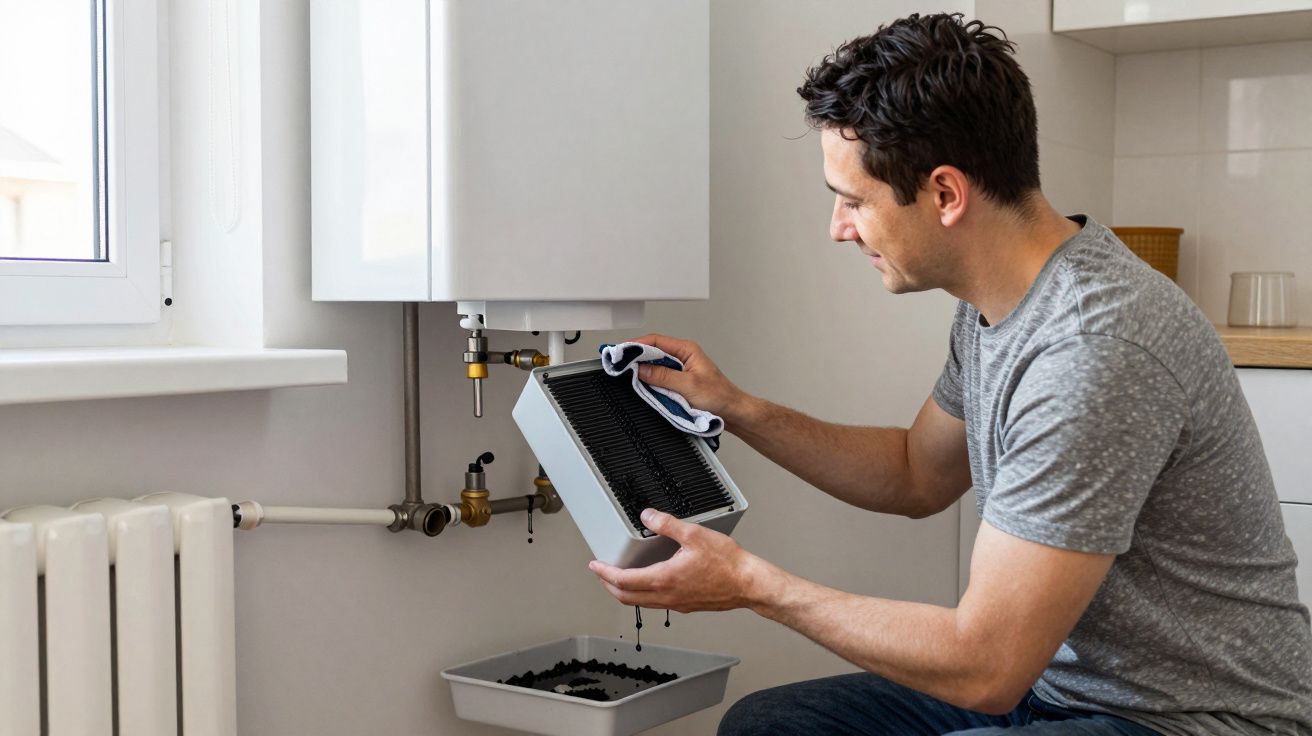
- there’s no magnetic filter, or it’s never been cleaned
- the system has been repeatedly topped up with fresh water (adding oxygen)
How to avoid being “too late” without overdoing it
You don’t need to power flush on a whim. You do need to treat water quality like servicing, not like a one-off cleanse.
A sensible maintenance rhythm
- Get the system checked when you notice persistent cold spots or noise, not after the third winter of it.
- Fit a magnetic filter if you don’t already have one, and have it cleaned routinely.
- Make sure inhibitor is added after any drain-down and tested periodically.
- If radiators are heavily sludged, consider targeted radiator removal/cleaning alongside (or instead of) a full flush.
When a flush might not be the best next step
Sometimes the “right” decision is partial replacement: a pump that’s clearly failing, a radiator that’s internally compromised, or (in older boilers) accepting that efficiency and reliability won’t return with cleaning alone. A good heating engineer will talk through what the flush can realistically achieve-and what it can’t.
What to ask before you book it in
A late flush is where workmanship and method matter most. Ask direct questions; you’re not being difficult, you’re protecting your system.
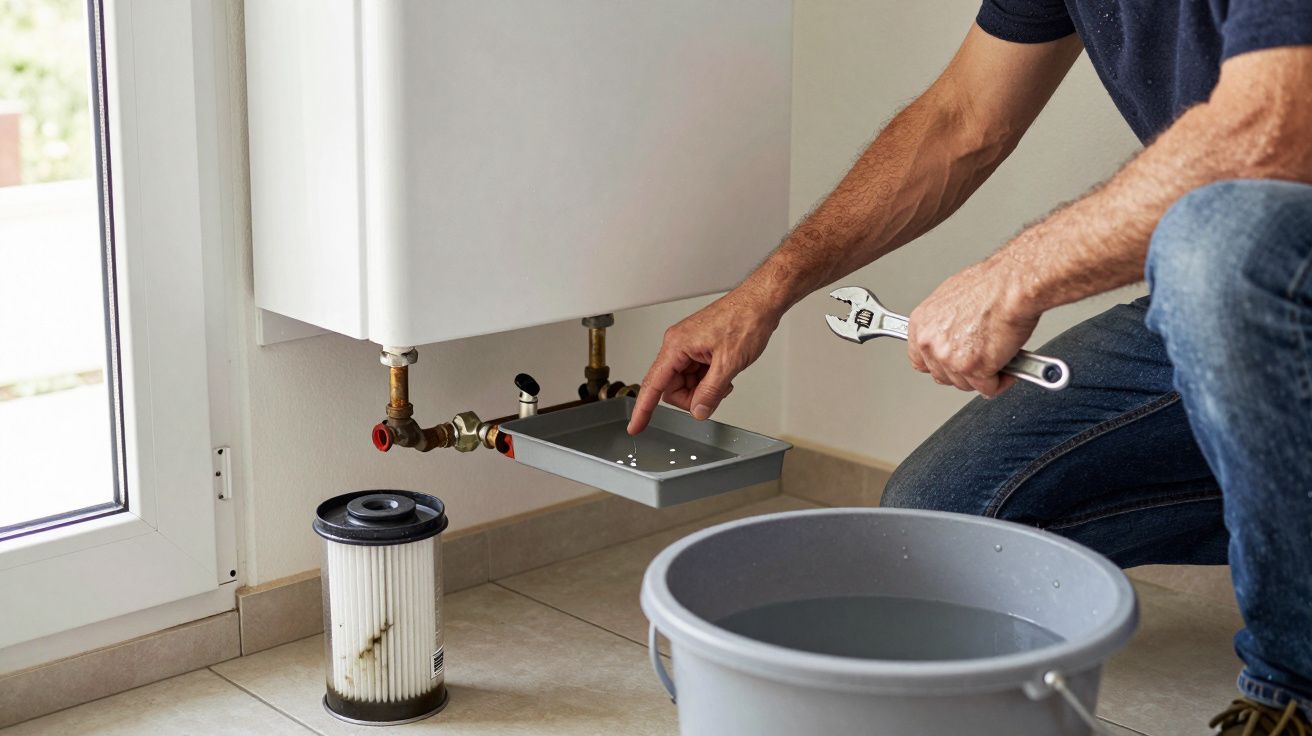
- Will you protect the boiler (or isolate it) if needed during flushing?
- What filter setup will you use to capture debris as it’s mobilised?
- How will you confirm improved flow/temperature drop across radiators?
- Will inhibitor be added and recorded at the end?
- If a radiator is heavily blocked, what’s the plan B?
FAQ:
- Will power flushing fix system damage? It can remove sludge and restore circulation, but it can’t reverse worn pumps, pitted radiators, or heat exchangers stressed by repeated overheating. It’s often part of the solution, not the whole one.
- Can a power flush cause leaks? It doesn’t “create” corrosion, but it can expose weak points that were already there, especially in older radiators and valves where sludge was masking seepage.
- How do I know if it’s already too late? Persistent kettling, recurring boiler lockouts, multiple radiators cold at the bottom, and repeated top-ups are strong indicators the system has been struggling for a while and may have component wear alongside sludge.



Comments (0)
No comments yet. Be the first to comment!
Leave a Comment