You flush the radiators, the water runs dark, and the heating feels better for a week - then the familiar cold spots creep back. Radiator sludge isn’t just “dirt in the system”; it’s a symptom of system water quality drifting out of range inside a sealed central-heating loop. If you’re tired of paying twice for the same fix, the hard-to-spot issue is usually not the radiators at all.
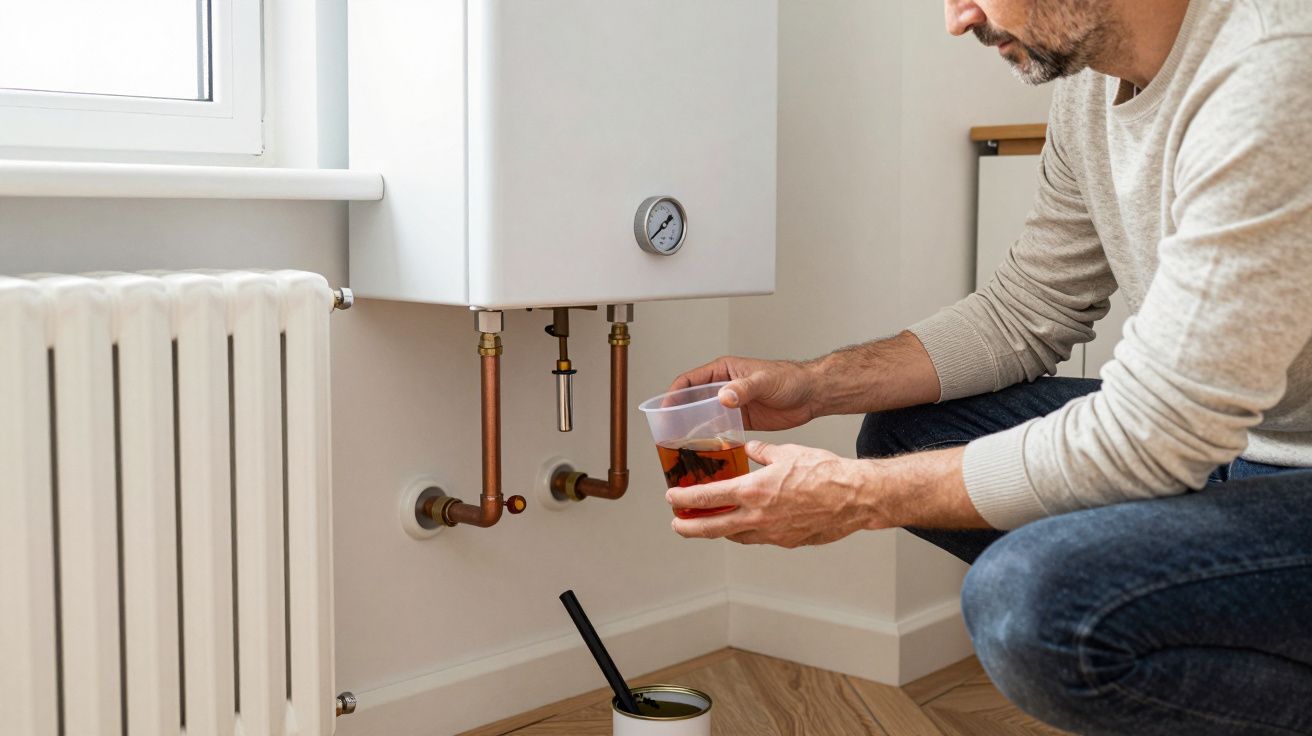
I first clocked it in a terraced house where the homeowner swore they’d had a “proper powerflush” last winter. The engineer bled a radiator, caught the water in a white cup, and just stared at how quickly it went tea-coloured. “We can clean it again,” he said, “but unless we fix what’s feeding it, it’ll come back.” It wasn’t dramatic. It was chemistry, quietly repeating itself.
The comeback problem: sludge isn’t the cause, it’s the proof
Radiator sludge is mostly iron oxide magnetite - that black, silky grit that forms when metal components corrode in heating water. It settles in the bottom of radiators and heat exchangers, narrowing pathways and stealing heat transfer. You feel it as cold lower panels, noisy pipes, and a boiler that seems to run longer for less warmth.
Here’s the bit people miss: removing sludge is like mopping up after a leak. It’s necessary, but it doesn’t tell you why the leak exists. If the conditions that create corrosion stay the same, the system starts making fresh magnetite as soon as you refill.
So the question shifts from “How do I get it out?” to “Why is my system still able to make it?”
The hard-to-spot culprit: oxygen getting in, slowly and repeatedly
In a sealed system, oxygen should be used up quickly and then stop being a factor. When oxygen keeps entering, corrosion keeps being “switched on”. That’s why sludge returns, even after a good clean.
Common, quiet routes for oxygen ingress include:
- Regular top-ups via the filling loop because pressure keeps dropping. Each top-up brings in fresh, oxygenated mains water.
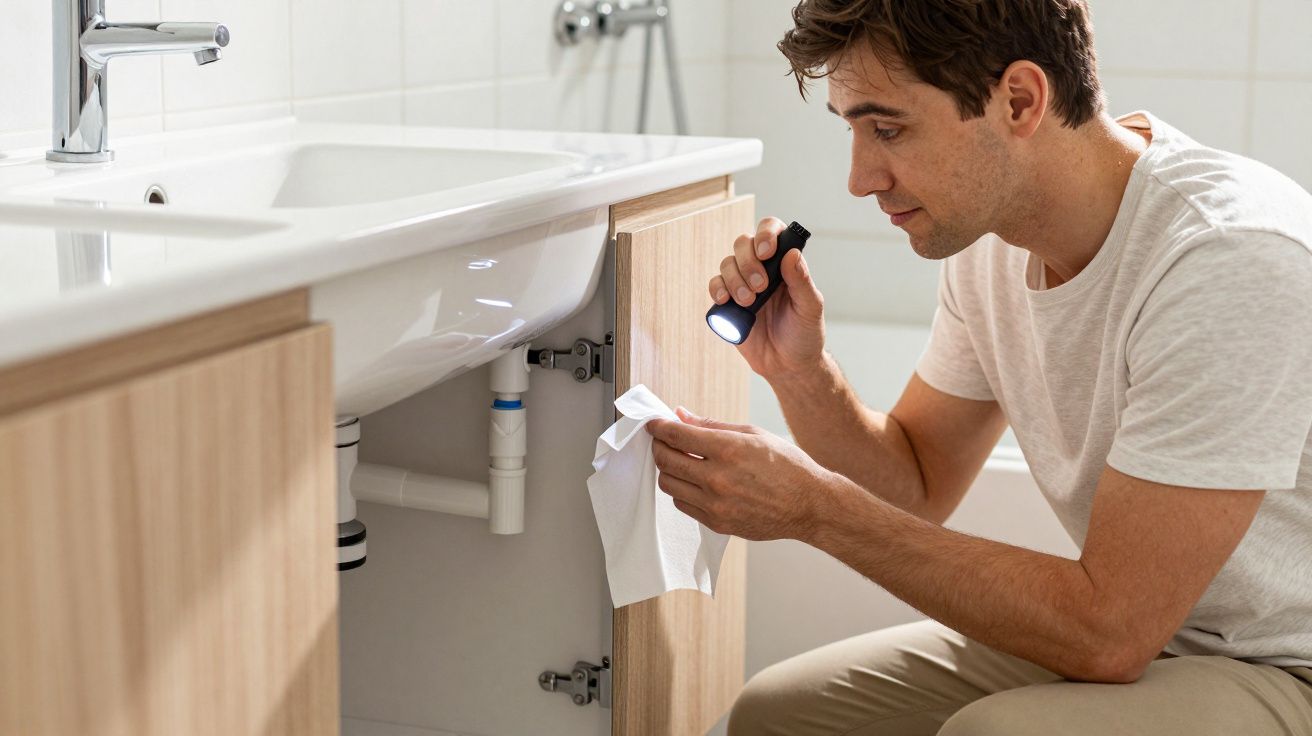
- A tiny leak you never see (under floors, at valves, around the boiler, on towel-rail fittings). It can evaporate before it ever forms a puddle.
- A weeping automatic air vent or poorly sealed bleed points that let air in as the system cools.
- Open-vented setups (feed and expansion tanks) that naturally expose system water to air - manageable, but more prone to oxygen issues if not maintained.
- Barrier problems in older pipework (certain plastics without an oxygen barrier), letting oxygen diffuse through the pipe wall over time.
The pattern is boring, which is why it’s missed. A system that needs topping up “every so often” feels normal until you connect the dots: topping up is the corrosion engine.
Why system water quality decides whether sludge forms again
You can have a system that’s mechanically “fine” but chemically unstable. System water quality is the mix of inhibitor strength, cleanliness, pH, and contamination level that determines whether metal stays protected or starts sacrificing itself.
A few things make sludge far more likely to reappear:
- No inhibitor, or diluted inhibitor after repeated top-ups. The label dose assumes a stable volume; top-ups chip away at protection.
- Dirty refill after a flush (debris left in rads, pipework, or the boiler) seeding new deposits.
- Wrong pH (too acidic or too alkaline), which can accelerate corrosion or attack components.
- Mixed metals (steel radiators, copper pipework, aluminium heat exchangers) without the right inhibitor for the system.
Engineers who test the water tend to find the same story: the water isn’t “just water” anymore. It’s a working fluid, and it needs to be treated like one.
A simple way to tell if you’re stuck in the sludge loop
You don’t need lab gear to spot the cycle. You need a few honest checks, done calmly, not in panic mode.
- Track pressure for two weeks. If you’re topping up at all, write down dates and how much you add.
- Look at one radiator bleed sample. Catch a little water in a clear container. Black/grey suggests magnetite; orange-brown suggests active rust.
- Notice how fast symptoms return after cleaning. Cold spots returning within weeks points to ongoing corrosion, not “old muck”.
- Ask whether anyone measured inhibitor/pH after the last job. Many cleans end at “water runs clearer”, which isn’t the same as “water is protected”.
If you’re topping up more than rarely, assume oxygen ingress until proven otherwise. It’s the least glamorous answer, but it’s usually the right one.
How to stop sludge returning (without throwing money at endless flushes)
Fixing the repeat problem is usually a sequence, not a single magic product.
- Find and fix the pressure loss first. Even a pinhole leak matters. So does a faulty PRV that drips outside, or an expansion vessel that’s lost its charge.
- Clean properly, then protect. Powerflush or chemical clean where appropriate, but finish with a rinse and the correct inhibitor dose.
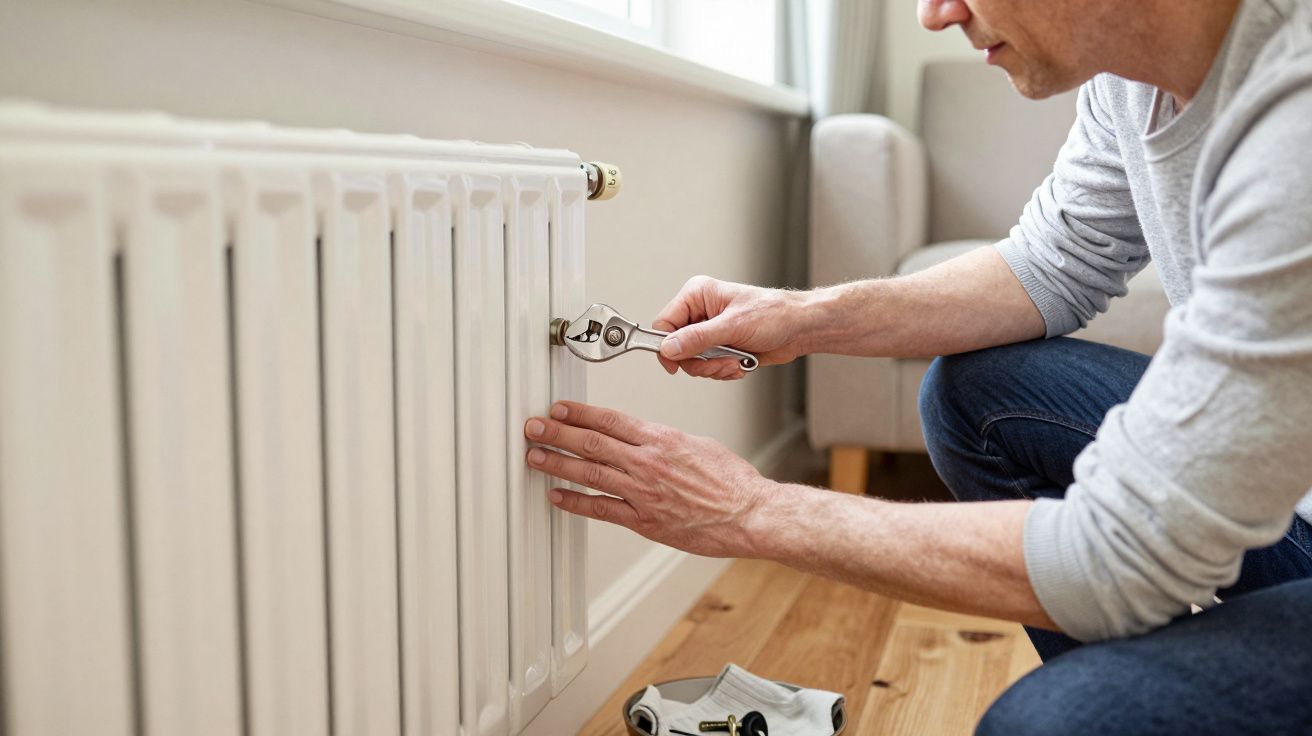
- Fit a magnetic filter if you don’t have one. It won’t stop corrosion on its own, but it captures magnetite before it cakes into radiators and boilers.
- Test and record the water. Inhibitor concentration and pH are the “receipt” that system water quality is under control.
- Minimise top-ups. A sealed system shouldn’t need routine topping up. That’s not a maintenance ritual; it’s a warning light.
People often replace a radiator because it’s cold, then feel betrayed when the new one sludges up too. The new radiator didn’t fail. It just joined the same chemistry.
“When a system keeps making magnetite, it’s being fed oxygen,” a heating engineer told me once, wiping a black paste off a filter magnet. “Stop the oxygen, stabilise the water, and the sludge runs out of things to become.”
The quick “do this next” checklist
- If you top up pressure: book a leak/pressure-loss investigation, not another flush as the first step.
- If you’ve never added inhibitor (or can’t remember): assume you need testing and dosing after cleaning.
- If your boiler has a narrow heat exchanger: prioritise a magnetic filter and clean/protect cycle.
- If the system is older or open-vented: ask specifically about oxygen control and inhibitor choice, not just “flushing”.
| What you notice | Likely underlying issue | What to ask for |
|---|---|---|
| Pressure drops, needs topping up | Oxygen ingress via leak/PRV/expansion vessel | Fix pressure loss before refill/flush |
| Sludge returns quickly after cleaning | Water not stabilised (inhibitor/pH) or ongoing oxygen | Water test + correct inhibitor dose |
| Cold spots plus noisy boiler | Magnetite circulating and depositing | Magnetic filter + clean and protect |
FAQ:
- Is radiator sludge the same as limescale? No. Sludge is usually black magnetite from corrosion; limescale is mineral deposit (often off-white) from hard water, more common on the domestic hot-water side and in kettles.
- Why does my system pressure keep dropping? Often a small leak, a discharging pressure relief valve, or an expansion vessel issue. Each top-up adds oxygenated water, which can accelerate sludge formation.
- Will a magnetic filter stop sludge permanently? It helps capture magnetite, but it doesn’t stop the corrosion that creates it. You still need good system water quality and to prevent oxygen ingress.
- Do I need inhibitor after every drain-down? Yes, if you’ve removed water you’ve likely removed inhibitor. Re-dose to the correct volume and ideally confirm with a test.
- How often should I top up a sealed heating system? Ideally, almost never. Occasional minor adjustments can happen, but regular top-ups are a sign something needs fixing.



Comments (0)
No comments yet. Be the first to comment!
Leave a Comment