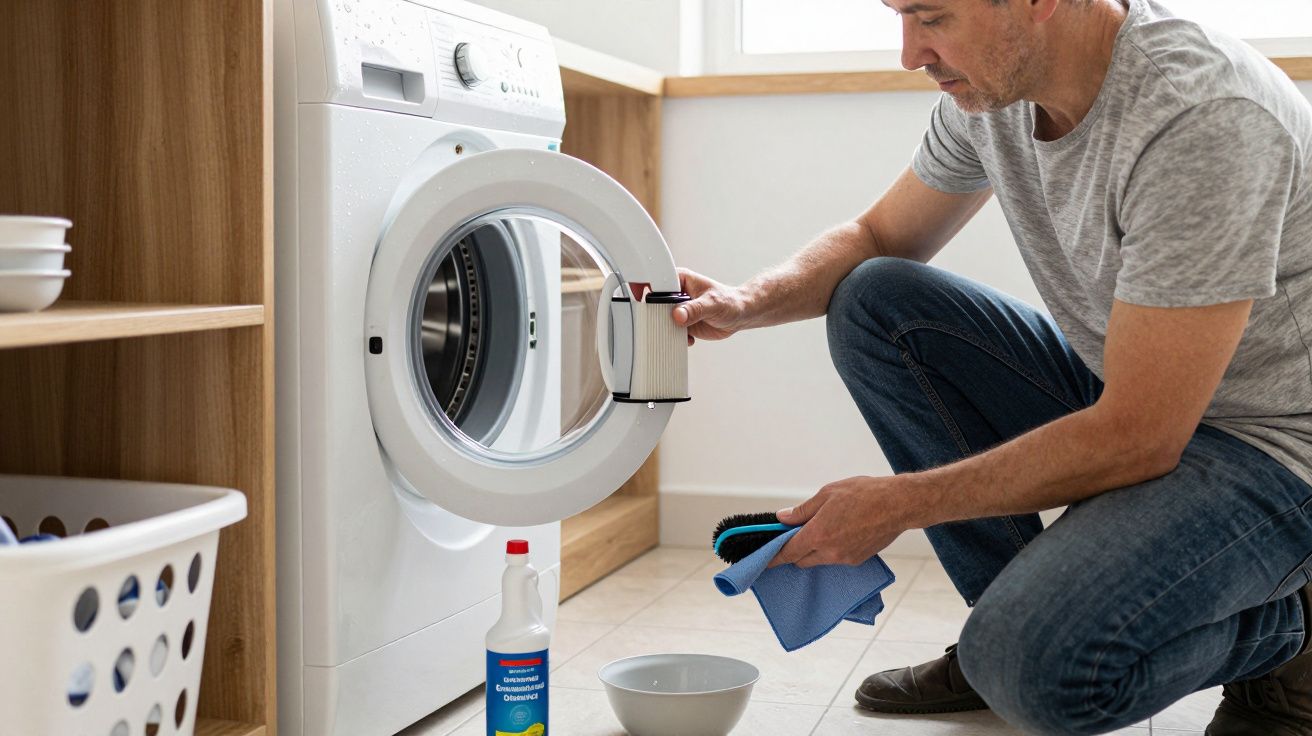
I used to think diy maintenance was all about speed: a quick blast of cleaner, a brisk rinse, job done. Then I learned how often that “job done” feeling masks hidden damage - the kind that doesn’t show up until the pump starts straining, the seals dry out, or the boiler gets noisier in a way you can’t quite explain.
It usually starts with a nuisance, not a crisis. A faint smell in the utility room. A radiator that takes ages to warm. A shower that goes from crisp to sulky. So you take the shortcut you’ve seen online: flush it, soak it, spray it, forget it - because the point of a hack is that it saves you time.
The shortcut: “If a little is good, a lot must be better”
Here’s the quiet pattern in a lot of homes: we overdo the fix because we’re trying to avoid the faff. We pour stronger chemicals than the instructions suggest. We leave descalers “to really work” overnight on parts that were meant to be rinsed in minutes. We pressure-wash a patio joint until it looks new, then wonder why the sand disappears and the slabs start to rock.
None of this looks reckless in the moment. It looks like efficiency. The bottle doesn’t scream, the fitting doesn’t crack in your hand, and the system carries on - until it doesn’t.
A heating engineer I know calls it “maintenance by punishment”. You throw force at something that needed a light touch and a repeatable routine.
Where hidden damage actually happens (and why it’s so easy to miss)
The trouble with shortcuts is that the harm is rarely dramatic. It’s cumulative. A seal that gets a bit less supple each time it meets harsh chemistry. A plated finish that dulls just enough to start trapping grime. A plastic housing that warps microscopically from repeated boiling-water “quick fixes”.
You see the immediate win, so you do it again. The system remembers.
Common places this shows up:
- Washing machines and dishwashers: over-strong cleaners and frequent “sanitise” blasts can dry door seals and hoses, while ignoring filters forces pumps to work harder.
- Boilers and heating circuits: dosing inhibitor “by eye” or topping up pressure too often adds fresh oxygenated water, nudging corrosion along in the background.
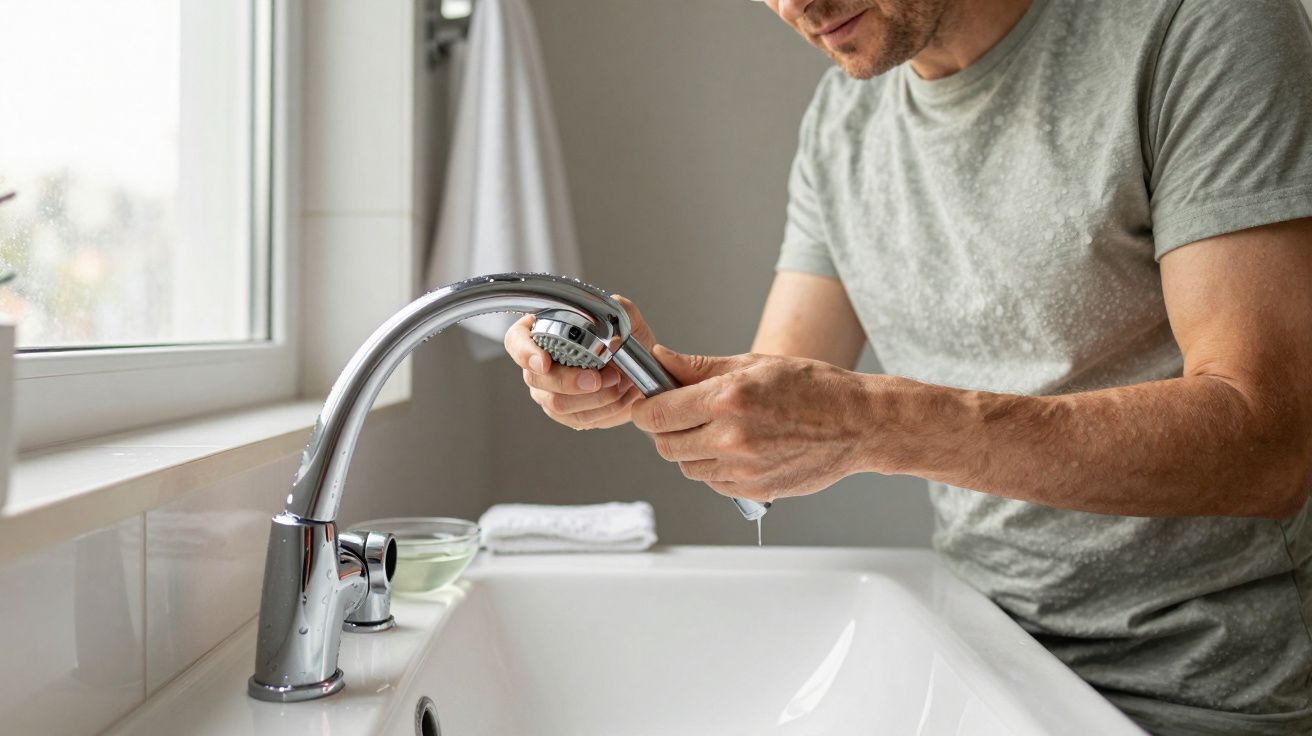
- Taps and showerheads: long acid soaks can dull finishes and fatigue rubber nozzles, even when the limescale looks satisfyingly gone.
- Outdoor kit: pressure washing can strip pointing and jointing, letting water in and frost do the slow work you won’t notice until spring.
The worst part is how reasonable it all feels. You’re not neglecting the house - you’re trying.
The classic example: topping up boiler pressure like it’s tyre air
If you have a combi boiler, you’ve probably done the little dance with the filling loop. The gauge dips, the radiators feel patchy, so you top it up and move on. It works, which is exactly why it’s a trap.
A sealed heating system isn’t meant to need regular top-ups. Every time you add fresh water, you add oxygen. Oxygen is the quiet ingredient in corrosion, sludge, and pinhole leaks that take their time showing themselves. The pressure looks fine; the internals age faster.
If you’re topping up more than occasionally, it’s not “just one of those things”. It’s information. Treat it like a warning light, not a ritual.
The better habit: gentle, targeted, repeatable
Most systems last longer with boring care rather than dramatic interventions. Not heroic cleans - small resets, done properly, then left alone.
A simple approach that avoids both neglect and overkill:
- Follow contact times like they matter. If a descaler says 10 minutes, treat “overnight” as a different experiment with different risks.
- Rinse longer than you think. Residue is a dirt magnet, and chemicals left behind keep reacting in slow motion.
- Clean the parts that actually move water. Filters, aerators, pump traps, radiator bleed points - the unglamorous bits that affect flow.
- Use the mildest thing that works. Warm water, a soft brush, and patience beat stronger acid nine times out of ten.
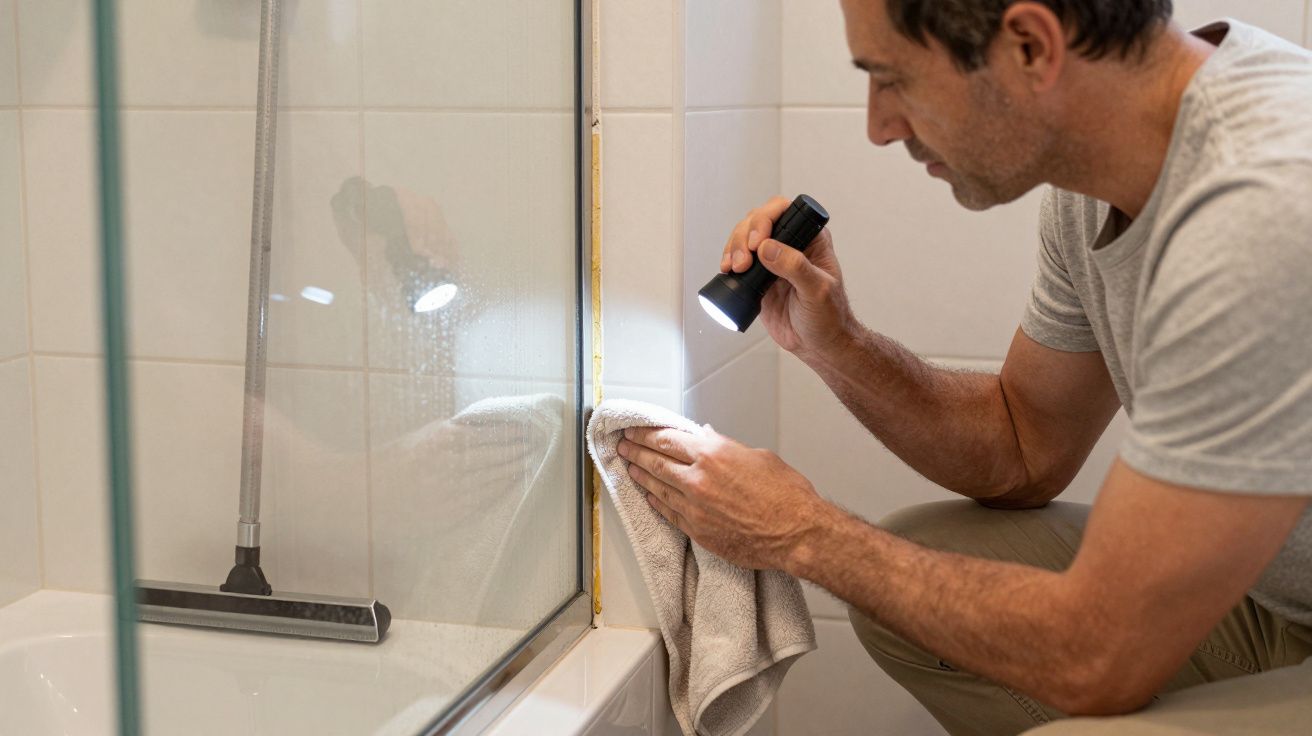
- Notice repeats. If you keep fixing the same symptom, the system is asking for a proper check.
“A lot of call-outs start with someone trying to be helpful,” an engineer once told me. “Too strong, too long, too often - and you don’t see the cost until later.”
A quick self-check before you reach for the “hack”
Next time you’re tempted by a shortcut, ask yourself two questions: am I cleaning, or am I compensating? And is this a one-off rescue, or something I’m about to make a habit?
A habit is where hidden damage thrives. One aggressive clean might not end the world. Repeating it monthly because it feels productive can.
A calmer way to win:
- If it’s blocked: clear the obstruction (filter, jet, trap) before you add chemistry.
- If it’s scaled: short soak, gentle brush, thorough rinse, then stop.
- If it’s losing pressure or performance: assume there’s a cause you haven’t seen yet, not a routine you should normalise.
The small domestic truth: the house likes consistency, not intensity
The most expensive maintenance isn’t the job you pay someone else to do. It’s the “quick fix” you repeat until it becomes the new normal - while the real problem grows roots behind a panel you never open.
Do the dull bits on a schedule, keep the harsh stuff rare, and treat recurring symptoms as clues. Your systems will run quieter, your finishes will last longer, and your diy maintenance will stop creating the hidden damage it was meant to prevent.
| Shortcut that feels smart | What it quietly does | Better option |
|---|---|---|
| Over-soaking/over-strong chemicals | Dries seals, dulls finishes, leaves residue | Short contact time + long rinse |
| Regular boiler top-ups | Adds oxygen, accelerates corrosion | Check for leaks/bleed issues; top up rarely |
| Pressure washing everything | Strips joints, drives water into gaps | Lower pressure + sweep/spot clean |
FAQ:
- Is it ever OK to use a strong cleaner? Yes - for a one-off rescue when mild methods won’t shift it. Use the correct dilution, stick to the contact time, and rinse thoroughly.
- How do I know if I’m “over-maintaining”? If you keep repeating the same fix (top-ups, descaler soaks, aggressive scrubs) more than occasionally, it’s likely masking the underlying issue.
- Why does rinsing matter so much? Leftover product keeps reacting, attracts grime, and can degrade rubber and plastic over time. Rinsing is what turns cleaning into maintenance rather than damage.
- What’s the simplest high-impact maintenance task most people skip? Cleaning filters and traps (washing machine pump filter, dishwasher filter, tap aerators). It improves flow without harsh chemistry.
- When should I call a professional instead of trying another hack? If a system needs repeated “rescues” (frequent boiler pressure drops, persistent odours after filter cleans, recurring blockages), get it checked before the small fault becomes an expensive one.




Comments (0)
No comments yet. Be the first to comment!
Leave a Comment