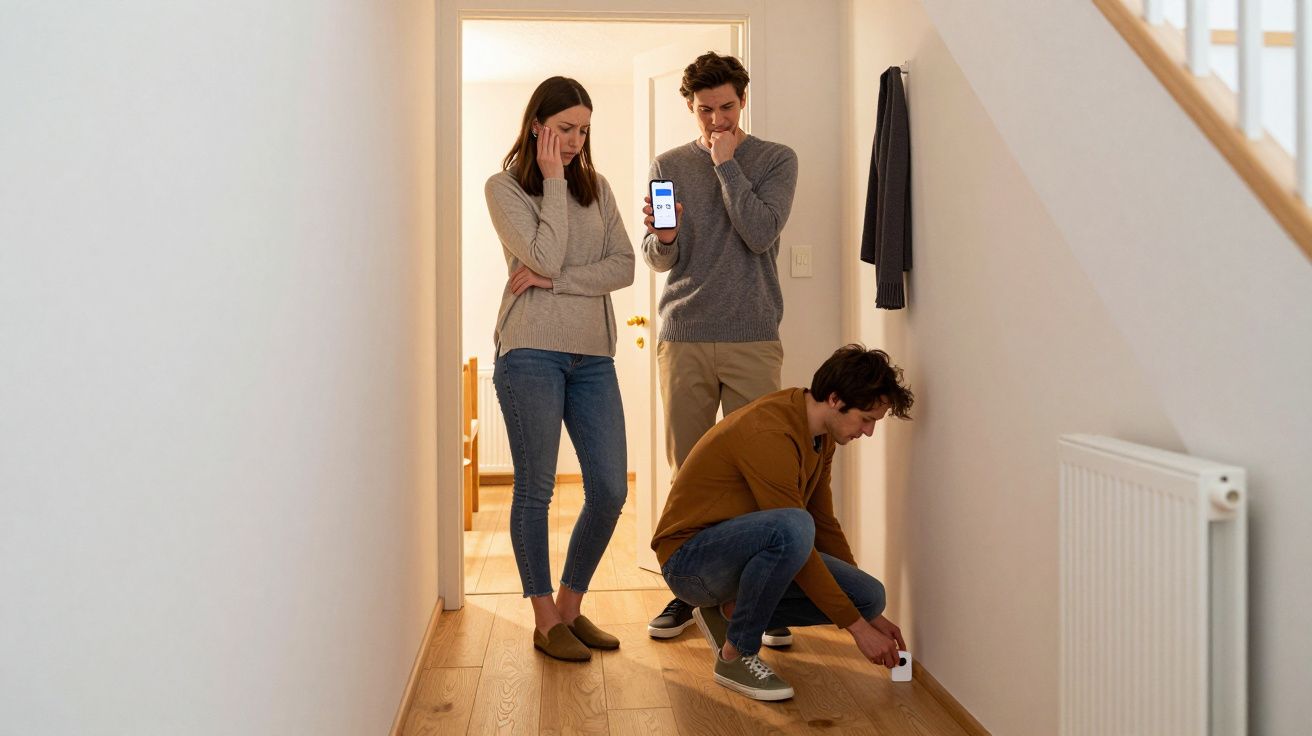
You install zoned heating to stop arguments about the thermostat and to warm only the rooms you actually use. Then a temperature imbalance shows up in the place you didn’t think about: not just between rooms, but between floors, corners, and the side of the bed closest to the radiator. It matters because comfort is what you’re paying for, and uneven comfort quietly drives people back to “just whack it up” settings that erase the savings.
Engineers see this pattern a lot: the controls work, the sensors report tidy numbers, and the house still feels oddly wrong. Not broken. Just inconsistent in a way that makes you doubt your own judgement, then blame the system anyway.
The promise: heat where you are, not where you aren’t
Zoning is the clean, modern idea. Split the home into areas, give each one a target temperature, and let motorised valves, thermostats and a central controller do the fiddly parts. In theory, you gain three things at once: lower bills, faster warm-up, and fewer “why is the lounge boiling?” moments.
It often does deliver that-particularly in open-plan spaces, newer builds with decent insulation, and homes with predictable routines. The trouble starts when we treat “room temperature” as a single, stable thing, rather than an average pulled from one sensor on one wall.
The quiet comfort problem: the thermostat can be right and you can still be cold
A thermostat measures air temperature at its location. Comfort is a bundle of other variables: radiant warmth from surfaces, draughts, humidity, air movement, and how evenly heat is distributed across the room. Zoned heating controls the first variable very well, and can accidentally make the others more noticeable.
This is why people report things like: “It says 20°C but the sofa feels chilly,” or “Upstairs is fine and the hall is freezing,” or “One bedroom is perfect, the other has cold corners.” The system isn’t lying. It’s averaging.
The three imbalances that show up most
1) Vertical stratification
Warm air rises. If you heat a room quickly, you can get a warm ceiling and a cool floor, especially with high ceilings, stairwells, or under-insulated suspended timber floors. The thermostat reads “done” while your feet disagree.
2) Inter-room pressure and draught paths
When one zone is heated and another is allowed to drift cooler, you change how air moves through gaps under doors, through leaky loft hatches, and along staircases. That movement can create a persistent chill in the “neutral” spaces-landings, hallways, bathrooms-that weren’t meant to be cosy but still need to be bearable.
3) Radiator and emitter mismatch
Zoning tends to reveal which rooms were always marginal. A bedroom radiator sized for a whole-house-on scenario may not recover well if the rest of the system is sipping heat. Underfloor heating zones can lag behind quick radiator zones, so the house feels “patchy” as different emitters chase different targets at different speeds.
Why zoning can make a house feel less forgiving
The old, blunt way of heating a home-one timer, one thermostat-often warmed everything “a bit too much” for “a bit too long”. That waste created a cushion. With zoned heating, you remove the cushion, and the building’s weak spots become part of daily life.
The result is a new kind of annoyance: micro-decisions. Someone boosts one zone for an hour. Another zone cools down and takes ages to catch up. Doors get left open “just for a minute” and the controller interprets the thermal chaos as demand. You start managing the system rather than living with it.
Engineers watch this and think in feedback loops: a control system can be stable on paper, yet still feel unstable to humans when the response is slow, uneven, or surprising.
The hidden technical cause: flow, not intelligence
Most comfort complaints that follow zoning are not fixed by “smarter” thermostats. They’re fixed by hydronics and airflow basics: can you actually deliver enough heat to the zone at the moment it calls for it, and can that heat spread through the space without creating cold pockets?
Common constraints include:
- Minimum boiler flow requirements: close too many zones and the system short-cycles or runs inefficiently, which reduces steady warmth.
- Pump and balancing issues: the nearest radiators win; the farthest rooms lose, so the imbalance becomes a pattern.
- Oversized or undersized zones: one thermostat might represent a large, varied area with different heat losses.
- Sensor placement: near a radiator, near a sunny window, on an internal wall that doesn’t reflect the coldest part of the room.
Zoning exposes these because it reduces simultaneous flow through the whole circuit. The system becomes more dynamic, and dynamic systems amplify setup flaws.
What a good zoning setup actually looks like (the unglamorous bits)
You can keep the benefits of zoned heating without living inside a permanent experiment. The trick is to design for comfort distribution, not just setpoint achievement.
A practical checklist that avoids most “it feels weird” outcomes
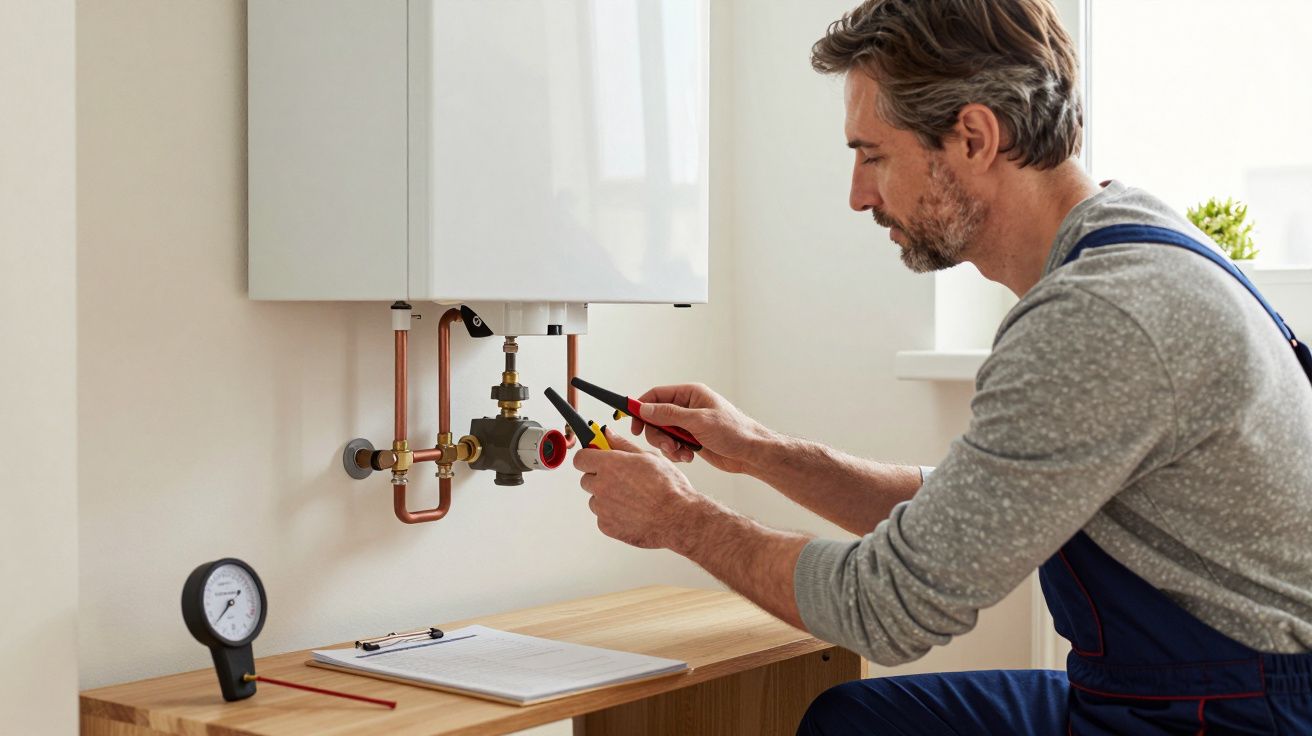
- Balance the system first: ensure each radiator/loop receives appropriate flow at typical operating conditions, not just when everything is calling.
- Protect minimum flow: use a bypass valve or a designated always-open emitter/zone where required, so the heat source runs smoothly.
- Zone by behaviour and heat loss: group rooms that are used together and warm up similarly, rather than zoning every room because you can.
- Use realistic schedules: fewer, longer heating periods often feel better than frequent short boosts that create peaks and troughs.
- Verify sensor placement: move thermostats away from direct radiant influence and away from unusually sheltered spots.
- Treat hallways and landings as intentional: they don’t need to be tropical, but they do need to avoid becoming cold sinks that spill discomfort into other zones.
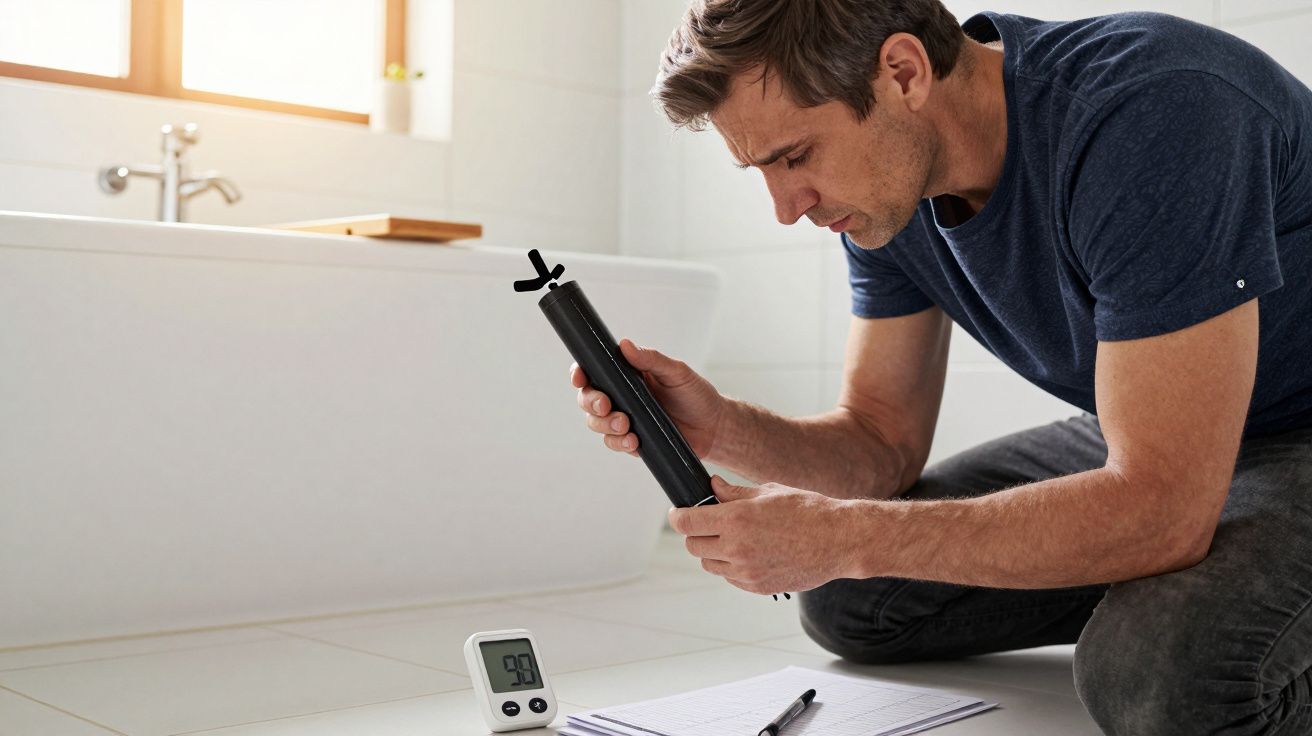
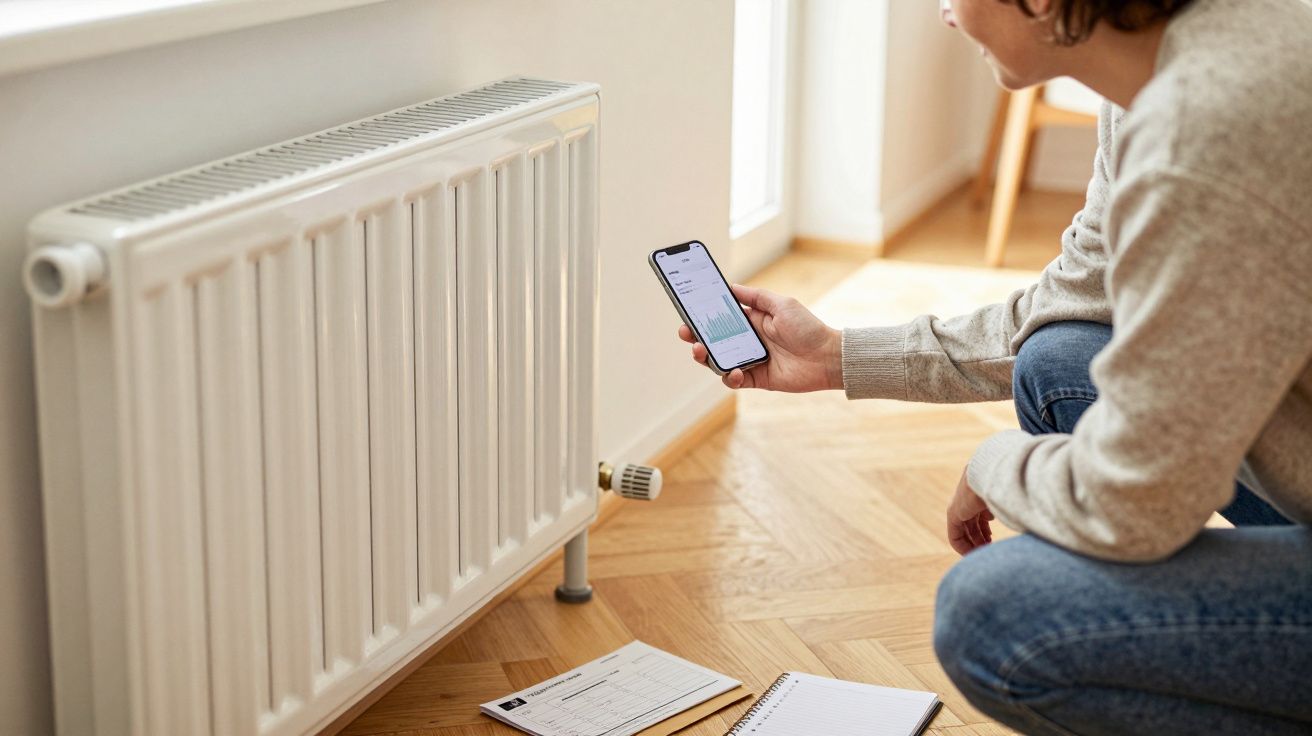
If you want “engineer calm” in the results, you also want measurement. A cheap thermometer in a cold corner, or a week of logged temperatures, often reveals that the discomfort is consistent and fixable-not imaginary.
Quick diagnosis: is it the zone or the room?
Before you rip out controls or declare the whole idea a scam, isolate the problem. Most homes have one or two specific pain points that colour the entire experience.
Here are the fastest tests:
- Swap setpoints for a day: if the “cold room” becomes comfortable at a higher setpoint but then overshoots, you likely have an emitter or distribution issue, not a control issue.
- Run two adjacent zones together: if comfort improves when both are heated, you’re seeing inter-zone airflow or a shared cold boundary.
- Hold one steady schedule for a week: if comfort improves with longer steady runs, your system response is slow and your zoning strategy is too spiky.
None of these require new kit. They just turn “it feels off” into something you can act on.
The part nobody sells: comfort is social, not just thermal
Zoned heating changes household dynamics. It lets one person optimise their own room, which sounds fair until it creates a cold corridor everyone has to cross, or a bedroom that’s perfect at 9pm and chilly at 7am. The system becomes a negotiation tool.
If you want zoning to feel like comfort rather than conflict, agree on two things: what “background warmth” means for shared spaces, and which rooms get priority during peak times. The cleverest controller won’t save you from silent resentment about a freezing bathroom.
FAQ:
- Can zoned heating cause temperature imbalance even if it’s installed correctly? Yes. Even with correct wiring and controls, differences in heat loss, airflow paths, and emitter sizing can make the house feel uneven unless the system is balanced and the zones are sensibly grouped.
- Should I zone every room? Usually no. Over-zoning increases complexity and can make comfort less forgiving. Zone by how you live (and by similar warm-up behaviour), not by the number of thermostats you can fit.
- Is the fix usually a new smart thermostat? Rarely. Comfort issues are more often solved by balancing, flow protection, sensor placement, and schedule changes than by swapping the controller.
- What’s the quickest improvement for “it says 20°C but feels cold”? Check for cold surfaces and draughts, then try longer steady heating periods. If the floor or external walls stay cold, the air temperature reading can be “right” while comfort remains poor.



Comments (0)
No comments yet. Be the first to comment!
Leave a Comment