
Preventive maintenance is the unglamorous habit that keeps a home, car, boiler, lift, air-con unit, or workplace running quietly in the background. Ignore it for long enough and long-term comfort doesn’t vanish with a bang; it thins out in small, daily ways until you’re living around problems you’ve normalised. The real cost isn’t just the invoice at the end-it’s the constant, low-grade friction you pay in attention, sleep, and “making do”.
You notice it first in the way you adjust. You start wearing a jumper indoors because the heating “takes ages”. You time showers around the hot water’s mood. You learn which window sticks, which socket crackles, which room is always a bit damp. None of this feels like an emergency-until it does.
The slow leak of comfort
Maintenance is often framed as money. But comfort is the currency you spend every day, and the exchange rate gets worse when small faults are left to ripen.
A slightly clogged filter makes a fan louder. A tired seal lets in a draught that makes the whole room feel colder. A boiler that needs a service starts cycling oddly, then you find yourself listening for it at night like it’s a person moving around the house.
There’s also the mental load. When you’re not sure what will fail next, you stop trusting your own space. You hesitate before inviting people over. You keep a mental list of “don’t use that too much” rules that shouldn’t exist in a functional home.
Comfort isn’t a luxury feature. It’s the absence of small annoyances that steal your attention.
What “ignoring it” actually looks like
Most people don’t choose neglect. They choose postponement, repeatedly, because the system still works… technically.
Here are the common patterns that turn into expensive discomfort:
- Waiting for a breakdown instead of servicing: the classic “it’s been fine for years” logic.
- Treating symptoms (air fresheners, extra blankets, a louder telly) rather than causes (damp, draughts, failing bearings).
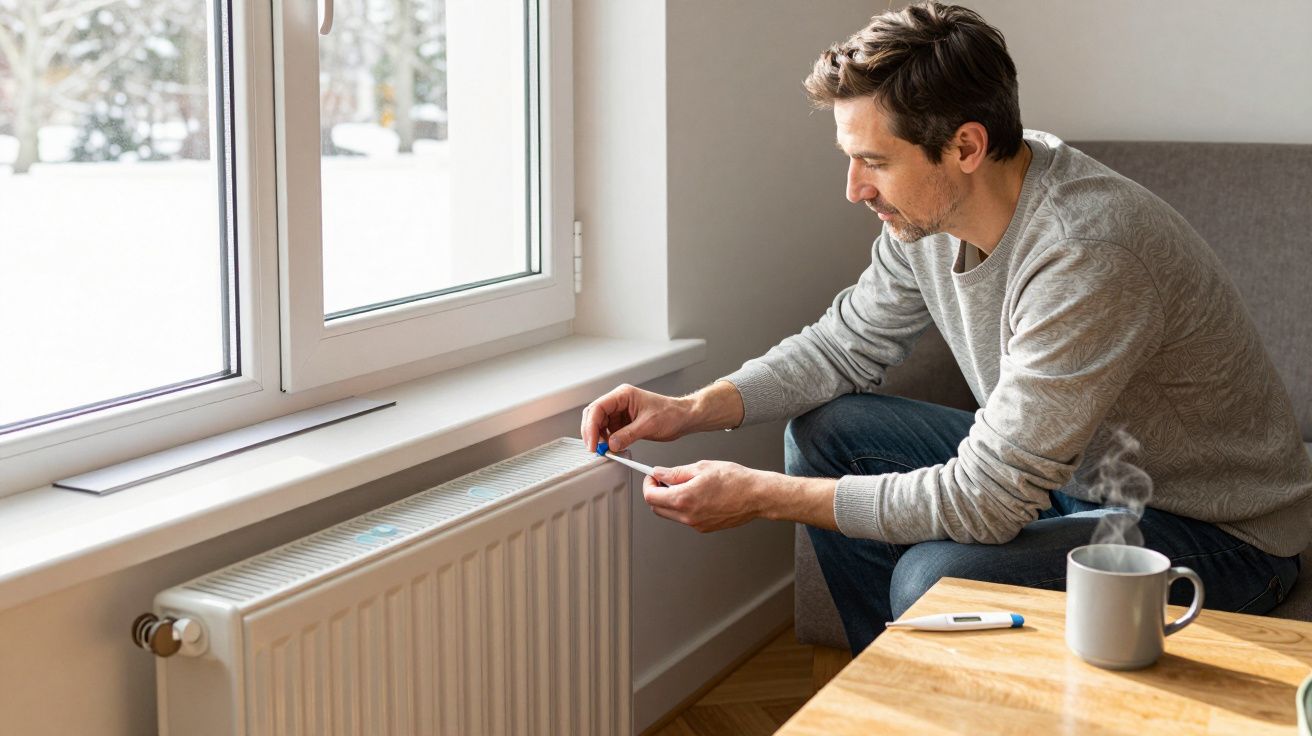
- DIY resets without follow‑through: bleeding a radiator once, then never checking pressure again.
- No schedule, no record: if you can’t remember when something was last done, it’s probably overdue.
The problem with these choices is that they train you to accept decline. Your baseline shifts, and you only realise how far it moved when something finally snaps.
Preventive maintenance as a comfort system (not a repair task)
Think of preventive maintenance less as “fixing things” and more as keeping performance steady. In the same way you might top up screen wash before a winter drive, you’re protecting day-to-day ease: warmth when you want it, quiet when you need it, air that doesn’t feel stale, water pressure that doesn’t play games.
The comfort benefits tend to arrive in three quiet ways:
- Consistency: temperatures hold, doors close properly, taps don’t wheeze.
- Silence: fewer rattles, bangs, gurgles, and vibrating panels.
- Confidence: you stop monitoring your own home like it’s a risky relationship.
And yes, the financial wins are real-but most people feel the comfort wins first.
The hidden bill you pay when you don’t
When maintenance is skipped, you often “pay” in ways that don’t show up on a receipt.
- Sleep debt: the bedroom is too hot, too cold, too noisy, or too stuffy.
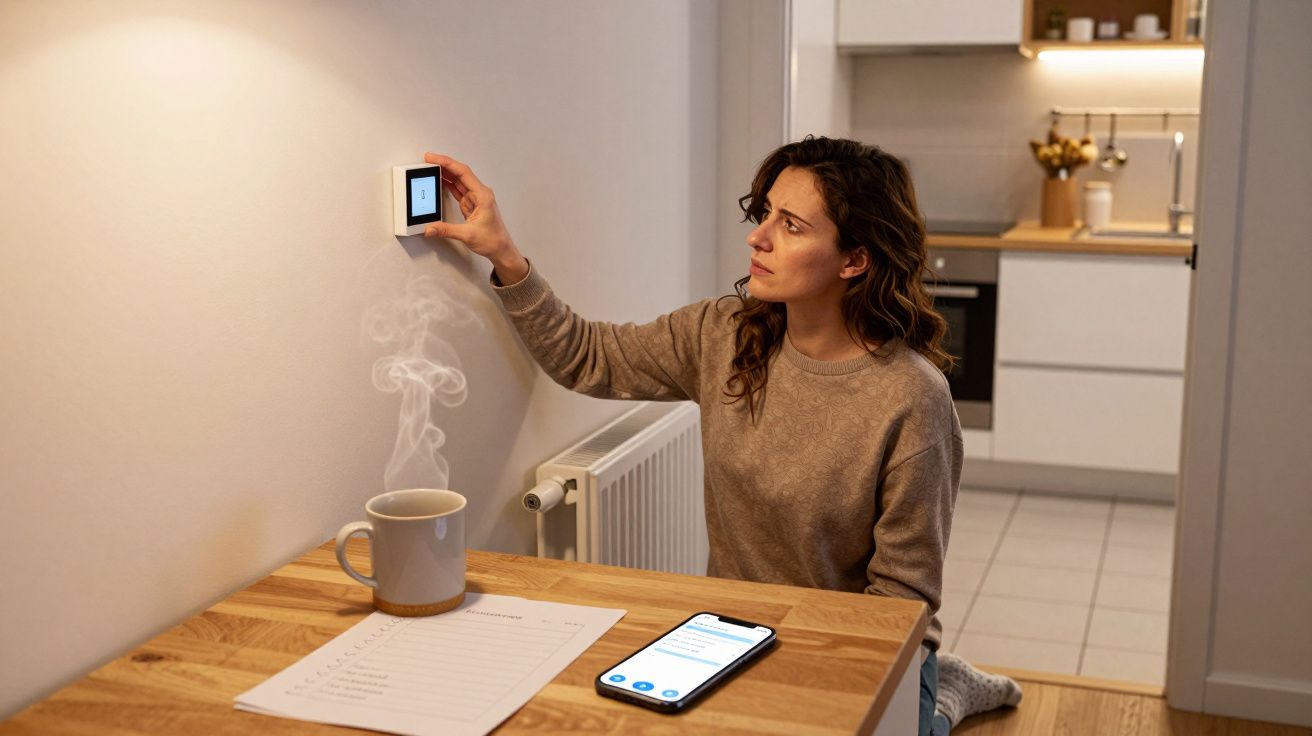
- Time tax: restarting the router, wiping condensation, plunging a slow drain, resetting the thermostat.
- Space shrinkage: you avoid one room because it’s damp or chilly, so your home effectively gets smaller.
- Stress spikes: every strange noise becomes a question mark you carry all day.
It’s not dramatic. It’s just constant. Over a season, that constant becomes the tone of your life at home.
A small, realistic maintenance rhythm
Perfection is not the goal. A simple rhythm beats the heroic annual “sorting everything out” weekend that never comes.
Start with the comfort-critical items
These are the usual suspects that hit long-term comfort hardest when they drift:
- Heating and hot water (boiler service, pressure checks, bleeding radiators)
- Ventilation and air quality (extractor fans, trickle vents, air-con filters)
- Plumbing flow (early signs of slow drains, leaks under sinks, limescale on taps)
- Weatherproofing (draft seals, window locks, gutter clearing)
A minimalist schedule you’ll actually keep
- Monthly (10 minutes): check boiler pressure (if applicable), look for leaks, test a couple of extractor fans, scan for new mould spots.
- Quarterly (30–60 minutes): clean or replace filters (hood, air-con, vents), descale showerheads, check window/door seals.
- Yearly (book it now): boiler/service checks, safety inspections where required, gutter clear if you have trees nearby.
If you live in a flat, “gutter clearing” might not be your job-but the principle holds: someone should own it, and it should be scheduled.
The comfort-first checklist: early signals to take seriously
A home usually whispers before it shouts. The trick is believing the whisper.
- A room that’s always colder than the thermostat suggests
- A new rattle when the heating turns on
- Condensation on windows that wasn’t there last winter
- A drain that smells “a bit off” every few days
- A fan that’s louder, weaker, or simply ignored because “it’s annoying”
None of these are disasters. They’re invitations to spend a small amount of effort now instead of a big amount of money and stress later.
The point isn’t to be the perfect homeowner
People imagine maintenance as a personality type: organised, tool-owning, always on top of it. In reality it’s closer to brushing your teeth. You do it because future-you deserves an easier day, and because the alternative is surprisingly uncomfortable.
Long-term comfort is built out of boring decisions made early. The payoff isn’t a before-and-after photo. It’s the quiet relief of a home that doesn’t demand quite so much from you.
FAQ:
- Is preventive maintenance worth it if nothing is “broken”? Yes. Most comfort loss comes from gradual performance drift-filters clog, seals loosen, limescale builds-long before anything fails outright.
- What should I prioritise if I can only do one thing? Heating/hot water and ventilation. They affect warmth, humidity, sleep, and mould risk, which are the fastest routes to day-to-day discomfort.
- How do I keep it from becoming overwhelming? Tie tasks to a simple calendar rhythm (monthly/quarterly/yearly) and keep a short list. A consistent minimum beats an occasional deep clean of everything.
- Does renting change this? You may not be able to service systems yourself, but you can still spot early signals and report them promptly. Early reporting often prevents bigger disruption later.




Comments (0)
No comments yet. Be the first to comment!
Leave a Comment