You don’t usually notice hard water damage while it’s happening. You just see fixtures wear: a tap that won’t shine, a shower that loses pressure, a kettle that furs up again a week after you descaled it. The problem is that the same chalky build-up you can see on the outside is often forming where you can’t-inside your pipes, valves and heating system-and it’s quietly costing you money and reliability.
It’s one of those background UK-home issues that feels cosmetic until the day something fails. And by then, the limescale has often had years of practice.
The “clean” water that leaves a trail behind
Hard water isn’t dirty. It’s water with a higher concentration of minerals-mainly calcium and magnesium-picked up as it passes through limestone and chalk. In large parts of England, it’s normal.
The trouble starts when that mineral-heavy water is heated or left to evaporate. The minerals don’t disappear; they deposit as limescale, building a crust on surfaces and a lining inside anything that carries hot water.
You’ll spot it on tiles and taps because it’s visible. Your plumbing doesn’t get that luxury.
Why the damage stays unnoticed for so long
Limescale rarely causes a dramatic leak on day one. It’s more like cholesterol for your home: gradual narrowing, extra strain, then an expensive surprise.
Hard water damage tends to show up as “little annoyances” that feel unrelated:
- The shower turns from “proper pressure” to “mild drizzle”.
- Hot water takes longer to arrive at the tap.
- The boiler gets noisier, especially when heating.
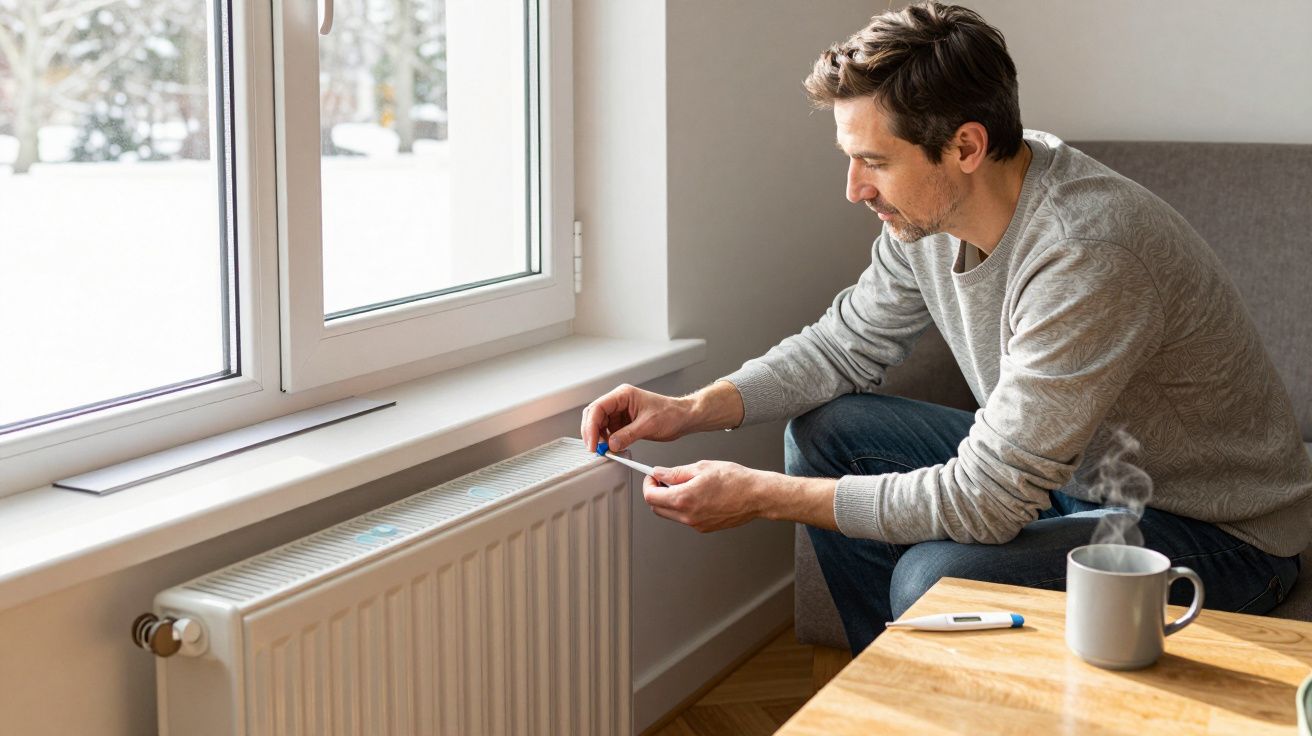
- Radiators develop cold patches that bleeding doesn’t fix.
- Tap cartridges and shower thermostats need replacing more often than they should.
Each symptom is easy to blame on age, brand quality, or “just how this house is”. Meanwhile the scale keeps building.
The hidden places scale likes most
If you want a mental map of where hard water causes the most trouble, follow two rules: heat and narrow gaps. Scale forms fastest where water is hot, and it causes the most disruption where components are fiddly.
1) Boiler and heat exchanger
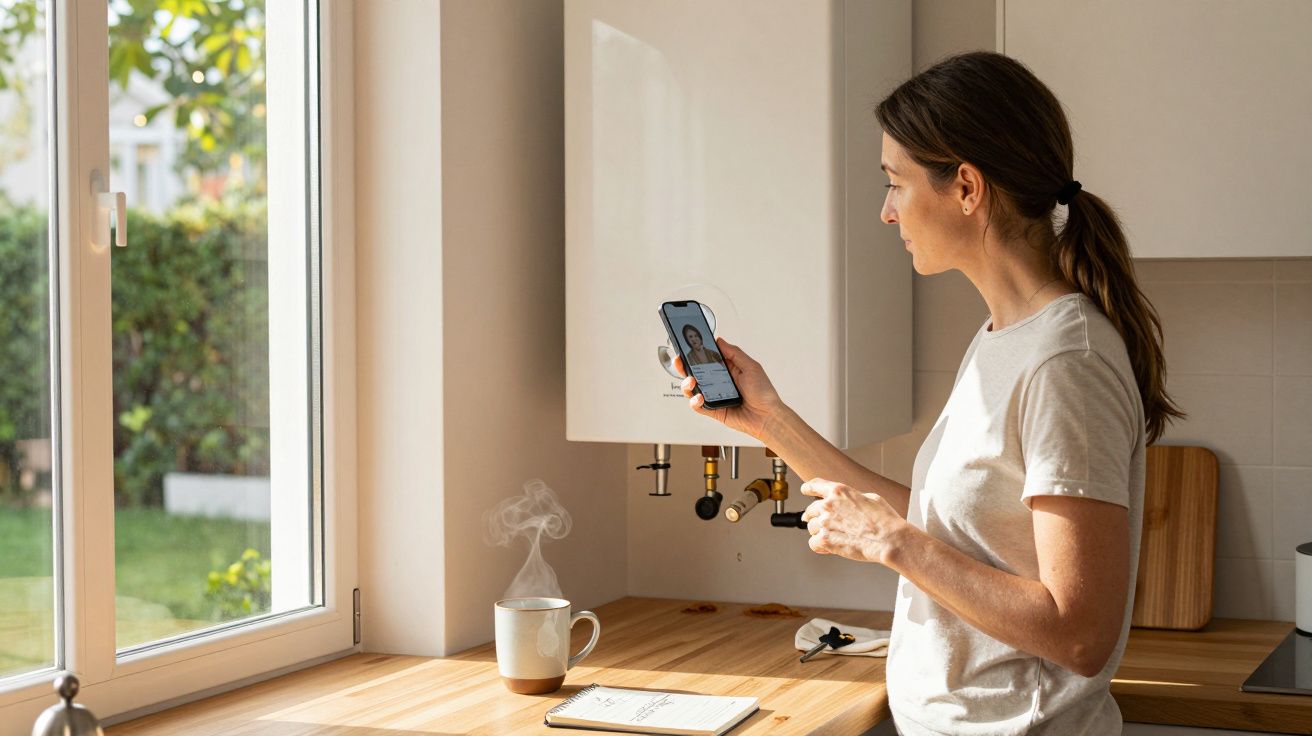
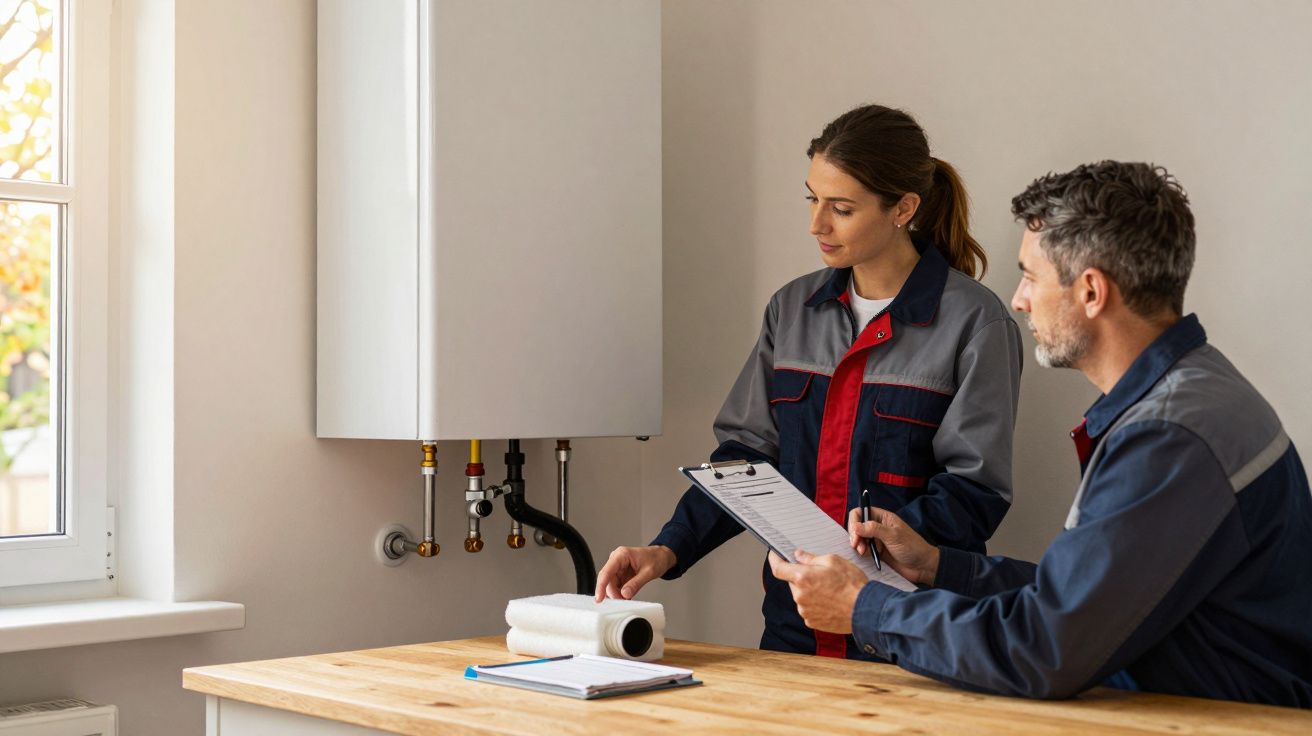
Inside a combi boiler, the heat exchanger has tight waterways designed for efficient heat transfer. Limescale acts like insulation, making the boiler work harder to deliver the same hot water. That can mean higher gas use, more wear, and shorter component life.
You might notice it as kettling (a rumbling noise), inconsistent hot water temperature, or repeated callouts for faults that keep “mysteriously” returning.
2) Shower heads, valves and mixers
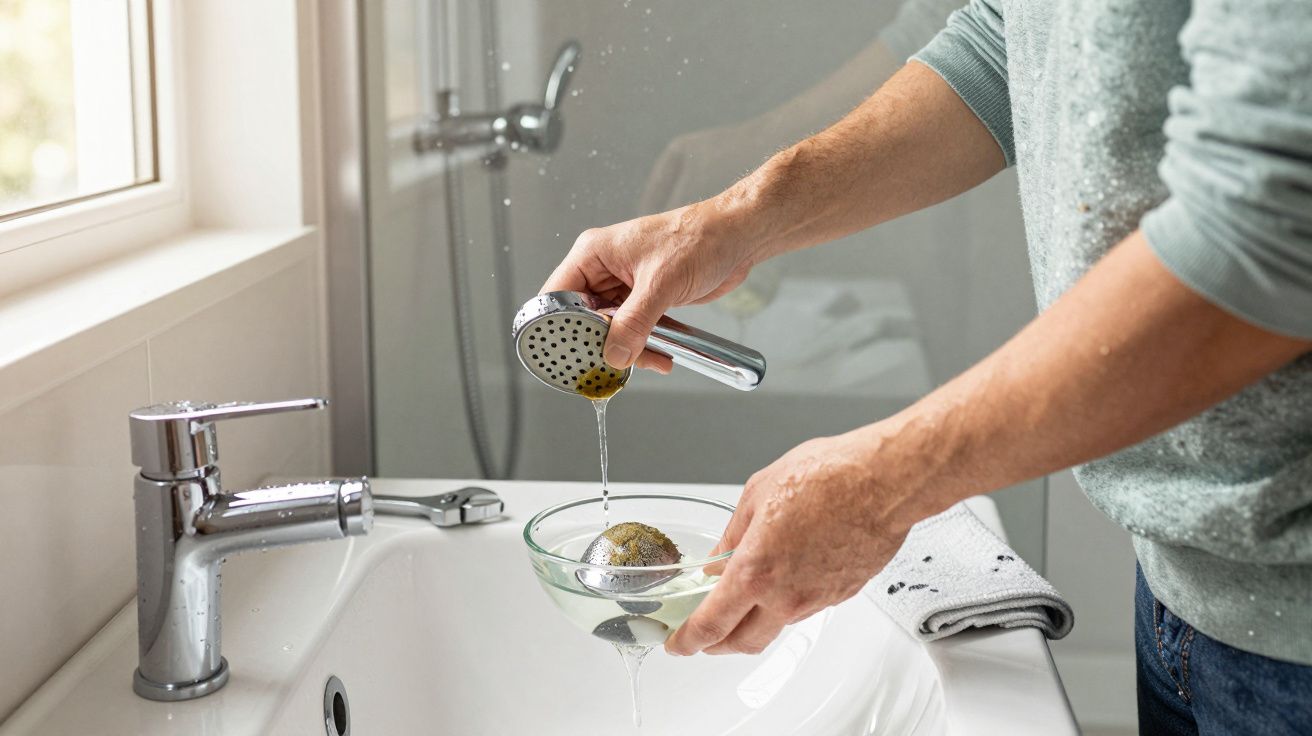
Shower heads clog visibly, but the nastier part is often inside the valve or thermostatic cartridge. Scale can stop it moving smoothly, causing temperature swings or a knob that gets stiff and gritty.
This is where fixtures wear becomes more than aesthetics: it becomes performance and safety. A thermostatic shower that can’t regulate properly is not just annoying.
3) Pipework, especially in older layouts
A thick scale lining can reduce the effective diameter of pipes, lowering flow rate. You’ll feel it most at outlets furthest from the boiler, or on the upper floors.
It’s also why some homes end up with “one good tap and one terrible tap” even though the water pressure coming into the house is fine.
The small signs most people miss (until they can’t)
If you want an early-warning list that’s actually useful, these tend to show up before full-on failure:
- White crust around tap bases or on shower screen seals (a clue to what’s happening inside).
- Aerators (the little mesh insert on taps) clogging repeatedly.
- Needing more detergent and shampoo to get the same result.
- Glassware coming out of the dishwasher cloudy, even after rinse aid.
- Hot water flow dropping before cold water flow does.
That last one is a classic: scale builds faster in hot-water components, so the hot side often deteriorates first.
What it’s really costing you
Hard water damage isn’t just “you’ll have to replace a tap sooner”. It can push up running costs and shorten the life of expensive kit, particularly boilers and hot-water cylinders.
Here’s the everyday maths most people don’t do: when limescale reduces heat transfer, your system needs more energy to achieve the same temperature. You may not notice it month to month, but it quietly nudges bills in the wrong direction while also increasing strain on parts like pumps, diverter valves and thermostats.
If you’ve ever thought, “This boiler isn’t that old-why is it acting up already?” hard water is often part of the answer.
How to slow it down without turning your home into a chemistry lab
You don’t need perfection. You need consistency in the places that matter most: hot water generation and outlets you use daily.
Descale the bits that see heat and evaporation
- Kettle and coffee machine: descale on a schedule, not when you remember.
- Shower head: soak and scrub before the holes fully block.
- Tap aerators: unscrew, rinse, and clear grit every few months.
It won’t fix internal pipe scale, but it reduces symptoms and prevents clogging at the endpoints.
Protect the system, not just the surfaces
If you’re in a hard-water area and you have a combi boiler, ask your heating engineer about a scale reducer or appropriate treatment for your setup. Options vary, and not every “miracle gadget” is worth fitting, but ignoring the issue entirely tends to be the most expensive choice.
For heating circuits, a proper service and flush (when needed) matters because hard-water areas often suffer both limescale and sludge. They’re different problems, but they team up nicely.
Consider a water softener if hard water is a daily battle
A properly installed softener can reduce scale formation across the whole house, which means fewer callouts, longer-lasting mixers, and less cleaning. It’s not for everyone-there’s upfront cost and ongoing maintenance-but in very hard-water areas it can shift your home from constant descaling to basic upkeep.
If nothing else, it stops you living in that loop of cleaning a tap to make it look new, only for the chalky ring to return by the weekend.
When it’s time to stop guessing
Hard water damage is easy to underestimate because it doesn’t announce itself with a dramatic burst pipe. It just makes everything a bit worse, a bit noisier, a bit less efficient, until your home feels oddly high-maintenance.
If you’re seeing repeated fixtures wear, fluctuating shower temperature, or a steady decline in hot water performance, treat it like a pattern rather than a list of separate quirks. The sooner you do, the more likely this stays in the realm of prevention-rather than replacement.
Fast checks you can do this week
- Look up your postcode for water hardness (most suppliers publish it).
- Check and clean tap aerators and the shower head.
- Listen to the boiler when hot water runs-new rumbling is a hint.
- Book a service if you’ve skipped one, and mention suspected scale.
You don’t have to become obsessed with limescale. You just have to stop letting it run the house quietly from behind the tiles.


Comments (0)
No comments yet. Be the first to comment!
Leave a Comment