Water pressure fluctuations have a way of turning ordinary mornings into a negotiation: one minute the shower is fine, the next it’s either needling cold or trying to peel your skin off. Most people blame “the pressure” as if it’s a mysterious force you can’t touch, but in a typical home plumbing set-up, the culprit is often something more local - control valves that aren’t quite doing what you think they are.
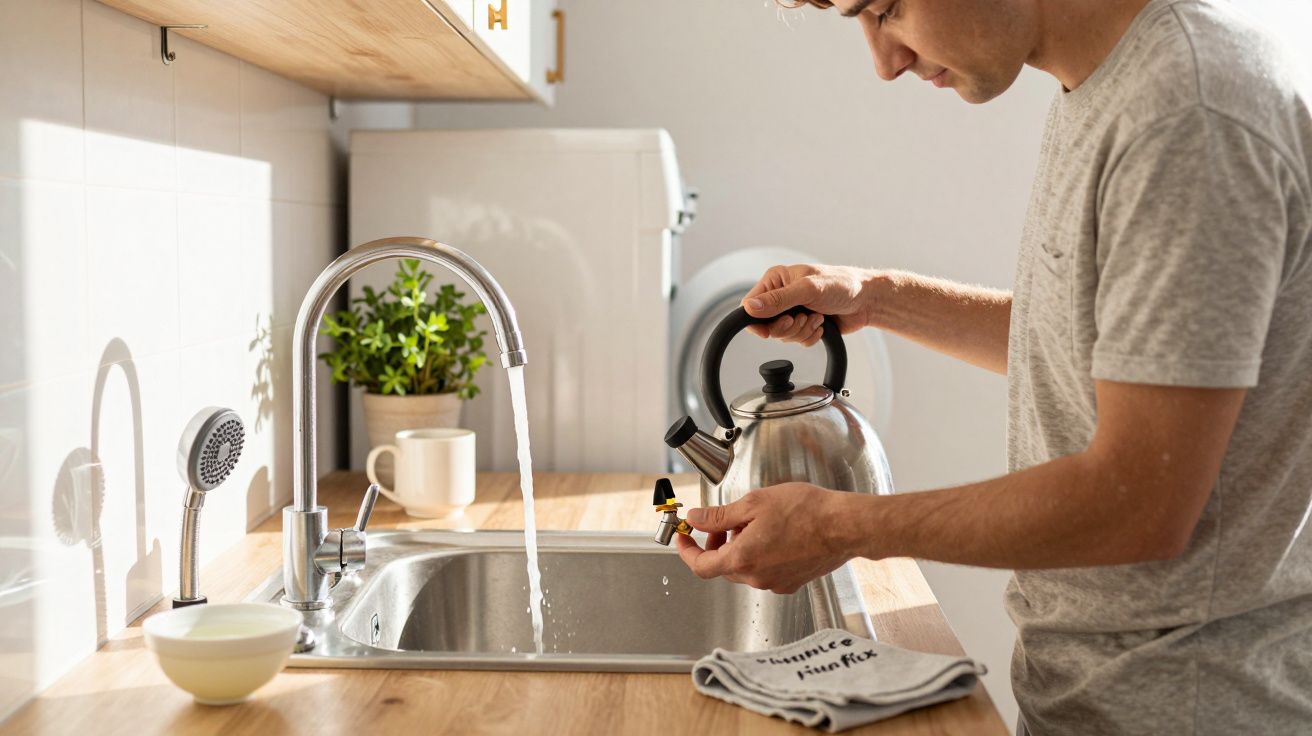
I learnt this the boring way: standing at the kitchen sink with a kettle half-filled, listening to the tap surge and soften as the washing machine kicked in. It felt like the whole street was stealing my water. It wasn’t. It was my own system behaving like it had a loose steering wheel.
The problem isn’t always the supply - it’s the “traffic control” inside your pipework
Mains pressure does vary across a day, sure. But the dramatic, repeatable swings - the ones that happen whenever a toilet flushes, a dishwasher starts, or someone opens another tap - usually point to flow being throttled or diverted inside the house.
That’s where valves quietly run the show. You’ve got stopcocks, isolation valves under sinks, pressure reducing valves (PRVs) on incoming mains in some properties, thermostatic mixer valves (TMVs) in showers, and sometimes check valves stopping backflow. They’re meant to keep things stable and safe. When they stick, clog, or end up half-closed, they can make the whole place feel “moody”.
And because they’re hidden - behind panels, under units, near the cylinder - people blame the one thing they can feel: the water coming out of the tap.
The tell-tale pattern: it only happens when something else runs
A genuinely low supply tends to be consistently weak. The frustrating version is more theatrical: it’s fine, then suddenly not, and it often coincides with another demand in the house.
Pay attention to the timing for one day and you’ll usually see it:
- Shower pulses when the kitchen tap turns on.
- Hot water drops when the washing machine fills.
- Bathroom basin runs steady, but the shower goes erratic.
- Only the hot side fluctuates, especially at peak times.
That pattern matters because it points away from “the street pressure” and towards local restrictions and control points that respond badly to changing flow.
The surprisingly common causes hiding in plain sight
1) An isolation valve that’s only half open (or failing internally)
Those little screwdriver-slot valves under basins and behind toilets are meant to be either fully open or fully closed. In real life, they get nudged, seized, or left half-turned after a quick fix months ago.
A partially closed valve can behave acceptably at low flow, then “starve” the line when demand rises elsewhere. It’s like trying to breathe through a straw while walking - fine sitting down, miserable the moment you move.
If your fluctuations are mostly at one fixture (one bathroom, one kitchen tap), this is the first place to look.
2) A pressure reducing valve (PRV) hunting or clogging
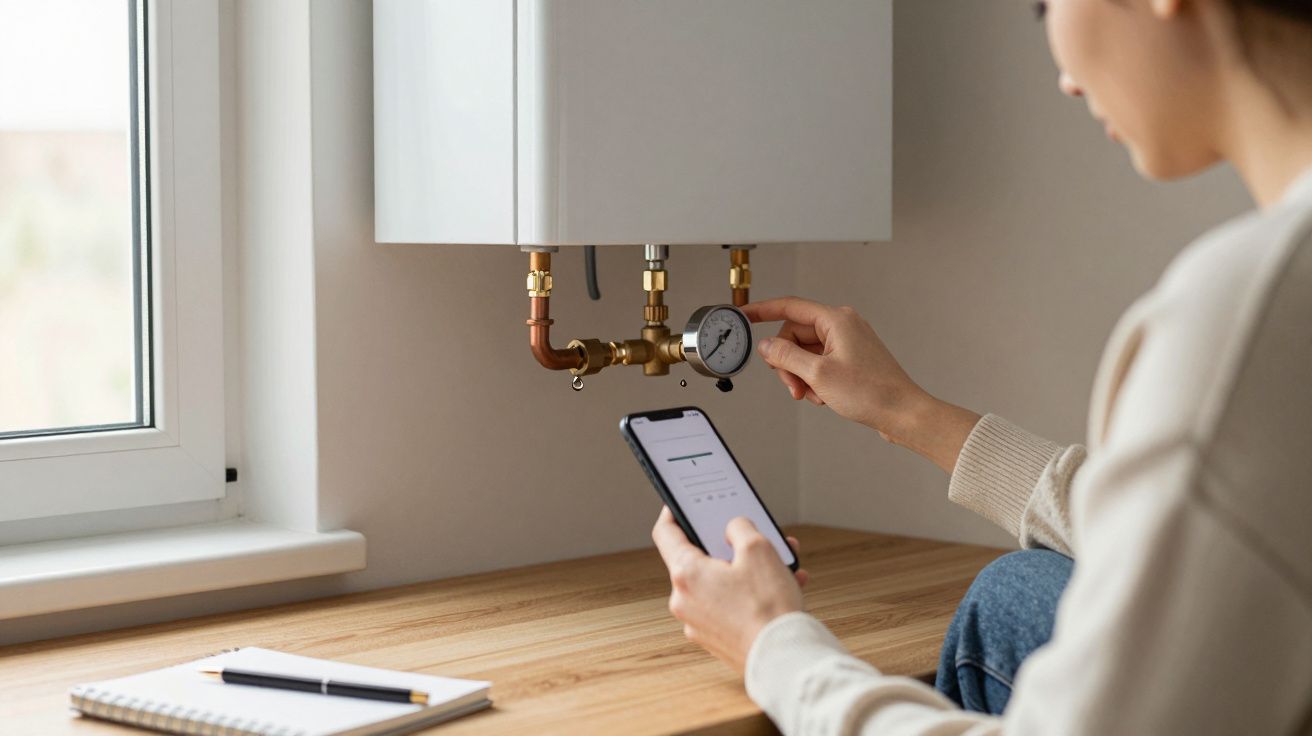
Many UK homes don’t have a PRV, but if you do (often fitted where mains pressure is high), it’s designed to keep downstream pressure at a set level. When PRVs age, they can chatter, stick, or respond slowly to changes in flow - causing that see-saw effect where the pressure overshoots, then corrects, then overshoots again.
Sediment makes it worse. A bit of grit on the seat is enough to turn “smooth regulation” into “why is my shower breathing?”
3) A thermostatic shower valve losing its grip
When people describe “pressure fluctuations”, what they often mean is temperature swings in the shower. A thermostatic mixer is supposed to compensate when cold or hot supply changes, but it can only compensate within limits.
If the TMV is scaled up, partially blocked, or has failing cartridges, it can overreact: cold blast, hot surge, repeat. The water pressure might be steady-ish, but the experience feels like pressure because the spray changes when the temperature shifts.
4) Debris in strainers, aerators, or the valve itself
One tiny bit of grit can create a miniature bottleneck, and bottlenecks amplify fluctuations. The classic version is a tap aerator that’s half blocked: it runs “fine” until another outlet opens and the reduced flow can’t cope.
Showers can have inlet filters too, especially on some bar mixers and thermostatic units. They catch debris, which is good - right up until they’re full.
A quick, calm way to narrow it down (before you call anyone)
You don’t need to dismantle half the house. You just need a small test that tells you whether the issue is whole-house or local.
- Pick one “problem” outlet (often the shower or kitchen tap). Run it at a normal rate.
- Turn on a second outlet elsewhere (cold tap, flush the loo, start a fill on a machine if possible).
- Notice what changes:
- If every outlet swings together, think incoming regulation (stopcock/PRV) or general restriction.
- If only one outlet goes weird, think local isolation valve, cartridge, aerator, or shower valve.
- If only hot fluctuates, think cylinder/combination boiler control, TMV, or a restriction on the hot side.
- If every outlet swings together, think incoming regulation (stopcock/PRV) or general restriction.
If you can make the fluctuation happen on cue - “it always happens when we run the kitchen tap” - you’re already halfway to the answer.
The “valve first” checks that solve more than people expect
Before you assume your supplier is at fault, or you resign yourself to “old pipes”, run through the boring bits. Boring is where the wins are.
- Check the stopcock is fully open. Sometimes it’s opened a quarter turn and forgotten. Don’t force it if it’s seized; that’s how you create a leak you didn’t have before.
- Look under sinks and behind toilets for isolation valves. Ensure they’re fully open (again: gently).
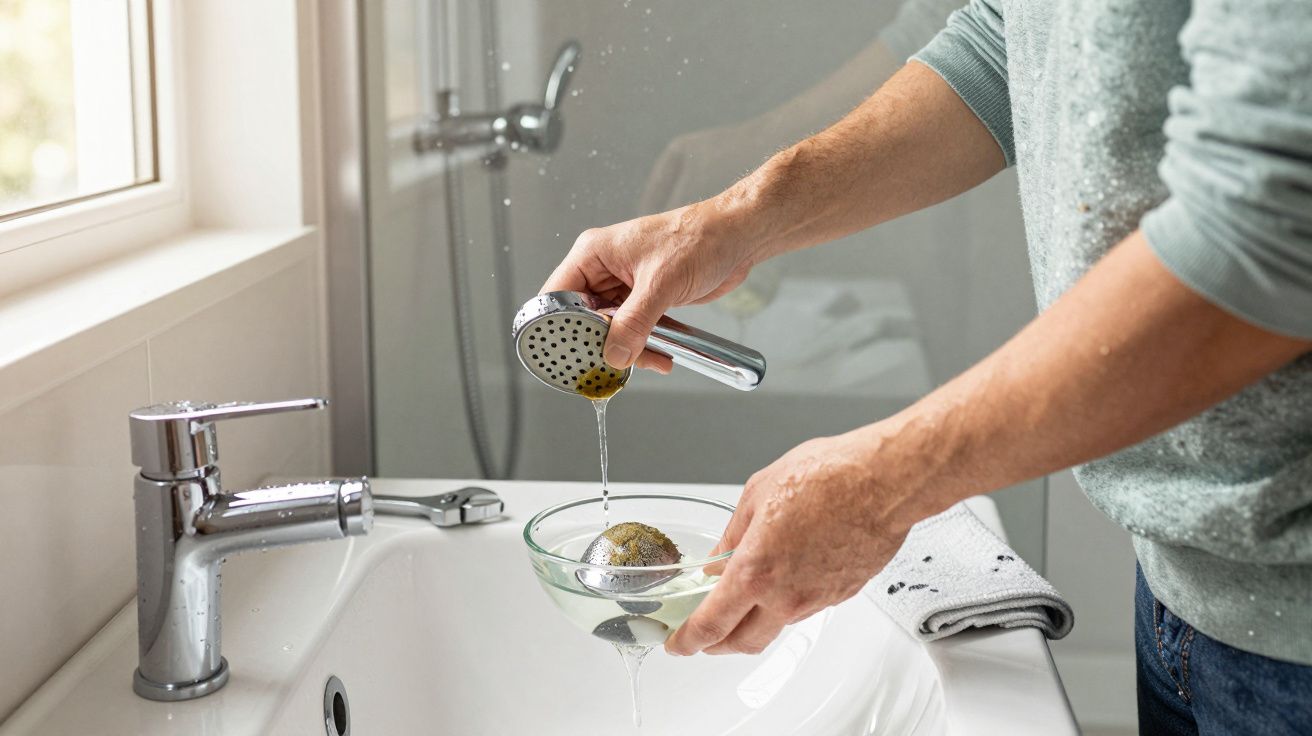
- Clean tap aerators and shower heads. A soak in white vinegar can shift limescale; rinse debris out before refitting.
- If you have a thermostatic shower, consider the cartridge. In hard-water areas, cartridges can scale up and start “hunting”.
- If there’s a PRV, listen and feel. Chattering, clicking, or vibration on demand changes is a hint it’s not regulating cleanly.
If you do nothing else, do the aerators and the “is anything half shut?” sweep. It’s unglamorous, and it works more often than it should.
When it’s time to stop poking and call a plumber
Valves are fixable, but they’re also the point where a confident tweak turns into an accidental flood. Call someone if:
- The stopcock/PRV area shows any signs of seepage or corrosion.
- You can hear banging (water hammer) or severe vibration when taps open/close.
- The fluctuations are sudden and new, especially after street works.
- You’ve got a combi boiler and hot water swings are extreme (there are safety considerations and manufacturer guidance matters).
There’s no prize for DIY bravery when the consequence is water in the kitchen units.
The quiet relief of a stable shower
The funny thing is how emotional this stuff becomes. A shower that stays steady stops feeling like a luxury and starts feeling like your house is behaving itself again. You stop timing your washing around the washing machine. You stop flinching when someone flushes.
And most of the time, you don’t need a dramatic explanation about “low mains pressure”. You need one stubborn, overlooked component to be cleaned, opened, or replaced - the kind of small fix that makes everything downstream feel calmer.
FAQ:
- What’s the quickest way to tell if it’s supply pressure or my plumbing? See if the fluctuation happens at all outlets at once. Whole-house swings suggest an incoming control issue (stopcock/PRV) or general restriction; one-fixture swings suggest a local valve, aerator, or cartridge.
- Can control valves really cause pulsing water? Yes. A partially closed isolation valve, a hunting PRV, or a scaled thermostatic cartridge can all create surging as flow demand changes.
- Why does my shower go hot when someone runs the cold tap? Often it’s not “pressure” so much as imbalance. The cold feed to the shower drops when another cold outlet opens; the mixer can’t compensate fast enough (or the cartridge is failing), so the blend shifts hotter.
- Is it safe to fully open my stopcock and isolation valves? Generally yes, but don’t force stuck valves. If it won’t move easily, or it leaks afterwards, stop and get a plumber - seized valves can fail when disturbed.
- Do I need a PRV in the UK? Only if your incoming mains pressure is consistently too high for your plumbing/appliances or you’re advised to fit one. If you already have one and pressure is erratic, it may need servicing or replacement.

Comments (0)
No comments yet. Be the first to comment!
Leave a Comment